Skip to content

When choosing materials for your car’s interior, the decision often boils down to two contenders: vinyl and leather. Each material has a unique appeal, catering to different needs, preferences, and budgets. Whether you’re looking for practicality, luxury, or affordability, this guide will help you make the best choice for your lifestyle and vehicle.
Understanding the Basics: Vinyl and Leather
Vinyl:
Vinyl is a durable synthetic material that has gained popularity for its affordability and resistance to wear and tear. Introduced as a budget-friendly alternative to leather, it’s now a staple in vehicles designed for heavy use, like family cars and commercial fleets.
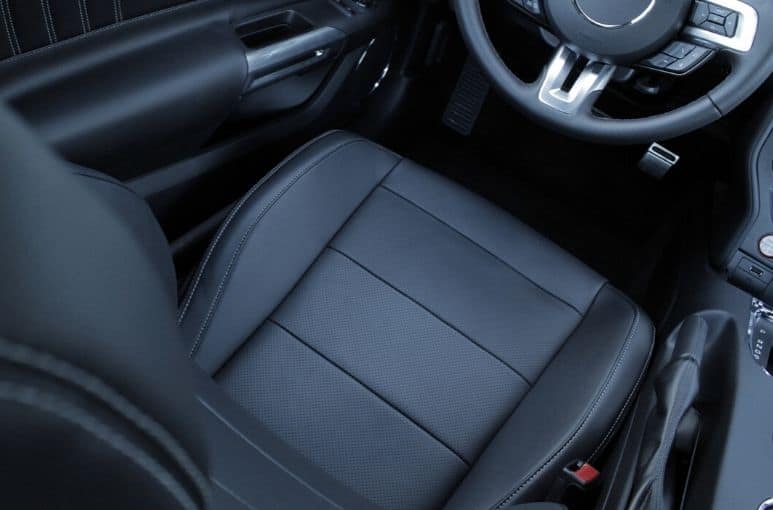
Some classic vehicles, such as older Mercedes-Benz models, feature proprietary synthetic materials like Tex-Mex or MB-Tex, which provide a leather-like appearance with enhanced durability and lower maintenance. These materials have become iconic for their practicality and premium aesthetics, especially in vintage car enthusiasts‘ circles.
Leather:
Leather is a premium natural material prized for its soft texture and sophisticated look. Often featured in luxury cars, leather interiors add a touch of elegance and offer a unique tactile experience that improves over time with proper care.
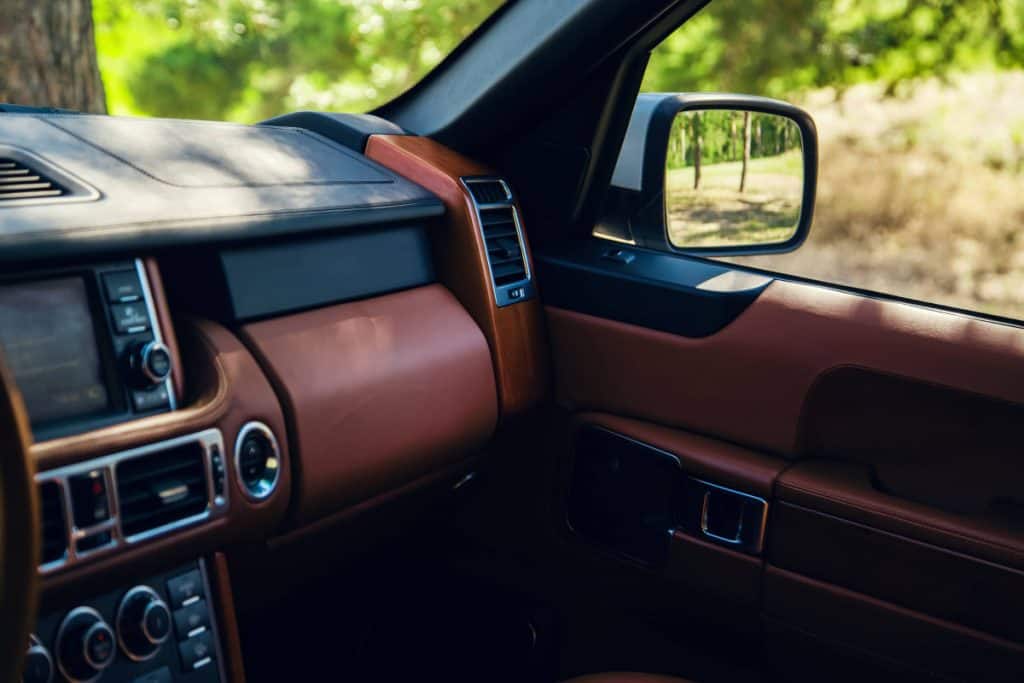
Key Characteristics of Vinyl and Leather
Vinyl
- Durability: Highly resistant to stains, scratches, and daily wear, making it ideal for high-traffic use.
- Ease of Maintenance: Requires only a damp cloth or mild soap for cleaning.
- Affordability: Significantly more cost-effective than leather for installation and upkeep.
- Temperature Sensitivity: Can retain heat in summer and feel cold in winter, reducing comfort.
Leather
- Luxury and Comfort: Offers a plush feel that develops a unique patina over time.
- Maintenance Needs: Regular cleaning and conditioning are required to maintain its appearance and durability.
- Cost: Comes at a higher price point for both installation and upkeep.
- Longevity: With proper care, leather interiors can last for decades, adding long-term value to your vehicle.
Pros and Cons of Each Material
Vinyl Interiors
Pros:
- Affordable for installation and maintenance.
- Resistant to stains and easy to clean.
- Durable in high-use environments.
Cons:
- Less breathable, causing discomfort in extreme temperatures.
- Lacks the luxurious texture and appearance of leather.
Leather Interiors
Pros:
- Enhances the vehicle’s aesthetic and resale value.
- Offers a premium, comfortable experience.
- Ages beautifully with proper care.
Cons:
- Higher upfront and maintenance costs.
- Prone to damage from UV rays and moisture.
- Requires consistent upkeep to prevent cracking or fading.
Sustainability and Environmental Impact
Vinyl, being a synthetic material, has a significant environmental footprint during production. However, its durability can offset this impact by reducing the need for frequent replacements.
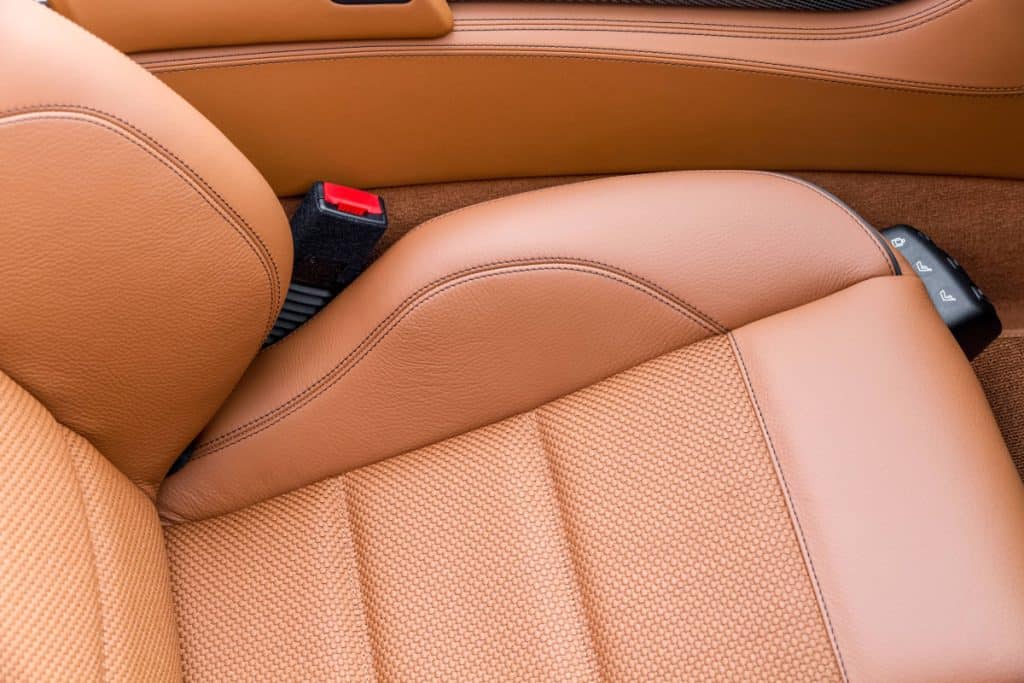
Leather production often involves intensive resource use, contributing to a larger ecological footprint. That said, eco-friendly alternatives like vegetable-tanned and recycled leather are gaining traction. Additionally, advancements in vegan leather and high-quality synthetic materials provide sustainable options that mimic the look and feel of traditional leather.
Cost Considerations
Vinyl interiors are economical for budget-conscious drivers, with installation costs ranging from $500 to $1,000. Leather interiors, on the other hand, range between $1,500 and $5,000, depending on quality and customization. Maintenance expenses heavily favor vinyl, as leather requires regular conditioning and care.
Care and Maintenance Tips
Vinyl
- Cleaning: Use a soft cloth and mild soap to wipe down surfaces.
- Avoid Harsh Chemicals: These can cause the material to degrade prematurely.
- Inspect Regularly: Check for cracks or tears to address issues early.
Leather
- Cleaning: Apply specialized leather cleaners to prevent damage.
- Conditioning: Use a leather conditioner every few months to keep it soft and prevent cracking.
- Protection: Shield leather from direct sunlight with sunshades or covers.
Finding the Perfect Fit for Your Car Interior
Your choice between vinyl and leather interiors ultimately depends on what matters most to you—affordability, practicality, or luxury. Vinyl offers a durable, no-fuss solution for those prioritizing ease of maintenance and budget. Leather remains a timeless choice if you value comfort, sophistication, and long-term investment.
The future of car interiors continues to evolve, with eco-friendly innovations like vegan leather and advanced vinyl options. These innovations allow drivers to match their interiors to their lifestyles and values.