Skip to content

Purchasing a vehicle idle for an extended period can be enticing, often presenting opportunities to acquire low-mileage cars at attractive prices. However, it’s crucial to approach such deals with caution, as prolonged inactivity can lead to various mechanical and structural issues. Here’s what you need to consider:
Assess the Vehicle’s History
- Reason for Inactivity: Understand why the car was unused. Was it due to mechanical problems, or was it stored and forgotten?
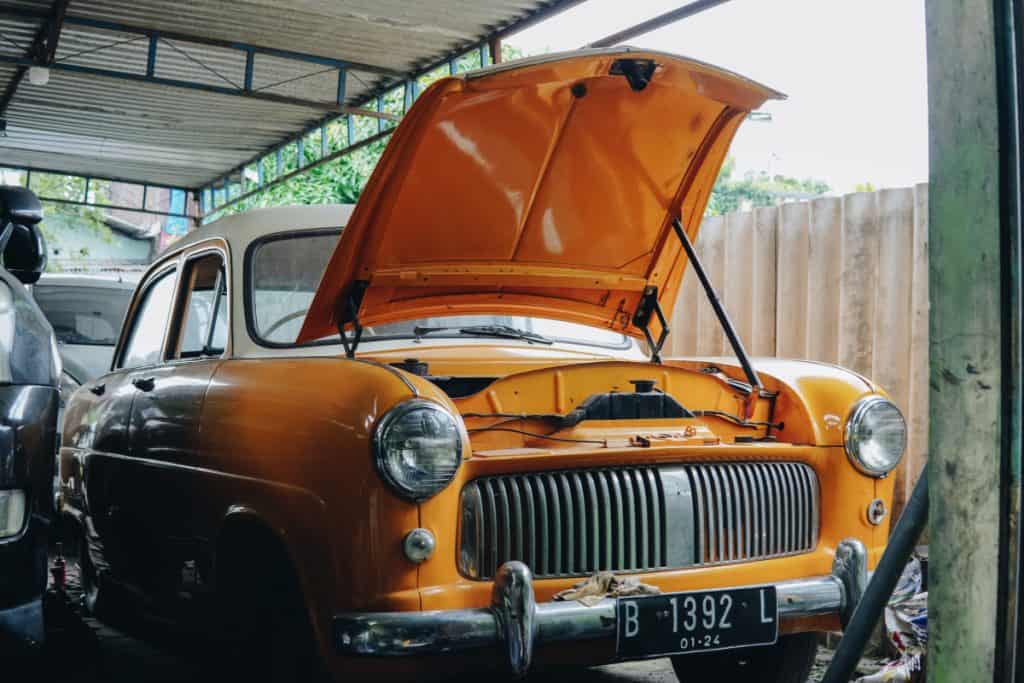
- Storage Conditions: Determine where and how the vehicle was stored. Indoor, climate-controlled environments are preferable, as outdoor storage can expose the car to harsh weather, leading to rust and deterioration.
Conduct a Thorough Inspection
Before finalizing the purchase, perform a comprehensive evaluation:
- Fluid Levels and Quality: Check all fluids, including engine oil, brake fluid, coolant, and transmission fluid. Prolonged sitting can cause fluids to degrade or become contaminated.
- Tires: Inspect for flat spots, cracks, or dry rot, which can occur when tires remain stationary for long periods.
- Battery: Batteries can discharge and lose capacity over time. Test the battery’s health and anticipate the need for a replacement.
- Belts and Hoses: Rubber components may dry out, crack, or become brittle, leading to potential failures.
- Brakes: Look for signs of rust on brake rotors and ensure that brake components function correctly.
- Fuel System: Stale fuel can lead to varnish deposits, clogging the fuel system. The fuel tank, lines, and injectors may require cleaning or replacement.
Be Wary of Potential Hidden Issues
- Rodent Damage: Vehicles stored for extended periods can become habitats for rodents, which may chew on wiring and insulation, leading to electrical problems.
- Seals and Gaskets: Lack of lubrication can cause seals and gaskets to dry out, leading to leaks once the vehicle is back in use.
Plan for Necessary Maintenance
Anticipate performing or investing in the following services:
- Fluid Replacement: Change all essential fluids to ensure optimal performance.
- Filter Replacement: Replace oil, air, and fuel filters to prevent contaminants from affecting engine performance.
- System Flushes: Consider flushing the cooling and brake systems to remove any degraded fluids or contaminants.
Test Drive and Professional Evaluation
- Initial Start-Up: Ensure the engine runs smoothly without unusual noises or smoke before driving.
- Test Drive: Assess the vehicle’s handling, braking, and acceleration to identify any immediate concerns.
- Professional Inspection: Even if the car appears sound, have a qualified mechanic perform a detailed inspection to uncover potential issues not immediately visible.
Key Takeaways for Buying a Car That’s Been Sitting
Purchasing an idle car requires diligent assessment and a willingness to address potential issues from prolonged inactivity. By conducting thorough inspections and planning necessary maintenance, you can make an informed decision and confidently enjoy your new vehicle.