Skip to content

Why Your Car Turns You Into a Territorial Animal
Something weird happens when you get behind the wheel. That little space around your car starts feeling like your personal territory. Not quite like your house, but close enough. When someone cuts you off or gets too close, it doesn’t just feel like bad driving. It feels like they invaded your space.
That reaction runs pretty deep. Probably goes back to some caveman instinct about protecting territory. On the road, you’re marking your space with metal and glass instead of building fences, but the feeling underneath is basically the same.
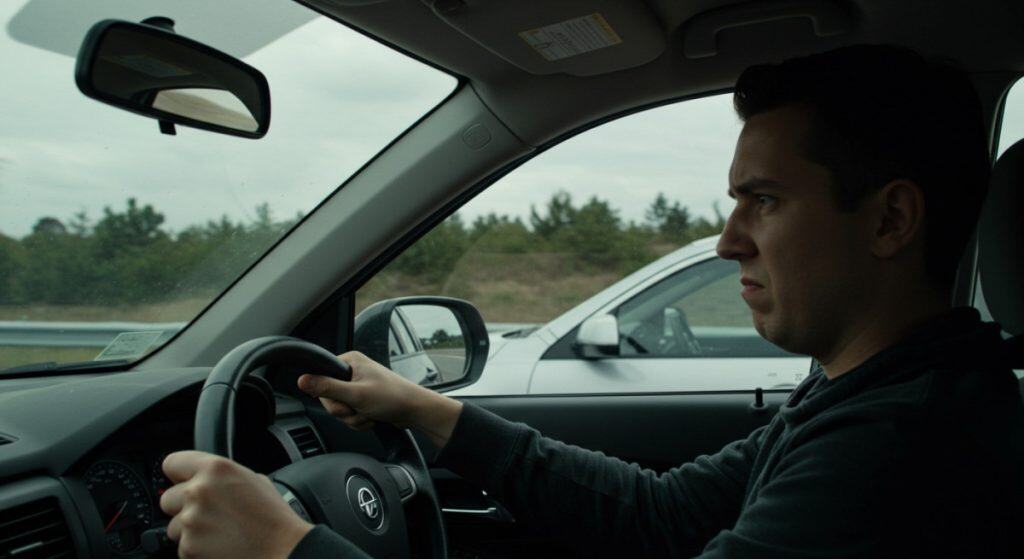
The thing is, cars cut people off from each other in ways that make everything worse. Can’t see facial expressions. Can’t read body language. There are no of the usual social signals that help smooth things over in normal life.
Someone cuts you off, and there’s no apologetic wave. No “sorry” gesture. Just taillights disappearing down the road. That silence feels a lot like disrespect, even when it probably isn’t.
The Anonymity Thing: When Everyone Else Becomes “That Moron”
Driving might be the only place where strangers interact constantly without ever really seeing each other. That anonymity does something to people. Makes it easier to forget there’s an actual person in that other car.
When someone drifts into your lane or forgets their turn signal, the first thought usually isn’t “maybe they’re having a tough day.” It’s more like “what is this idiot doing?” But if you make the same mistake, it’s different. The sun was in your eyes. You missed the sign. Bad morning, whatever.
That double standard makes it way easier to lean on the horn, tailgate, or yell things you’d never say to someone’s face. Behind the wheel, consequences feel distant. And with that, patience tends to disappear. Road rage starts to happen.
It’s Not Fair! Why Bad Drivers Feel Like Personal Attacks
Everyone has their own mental rulebook for driving. Use signals. Merge nicely. Don’t camp in the left lane. When someone breaks these unwritten rules, it feels like more than just inconvenience. It feels wrong on a moral level.
Someone cutting in line at a busy exit ramp hits the same nerve as someone cutting in line at Starbucks. Except in traffic, you’re surrounded by steel, moving at highway speeds, probably already a bit stressed. That frustration builds. Turns into something like righteous anger.
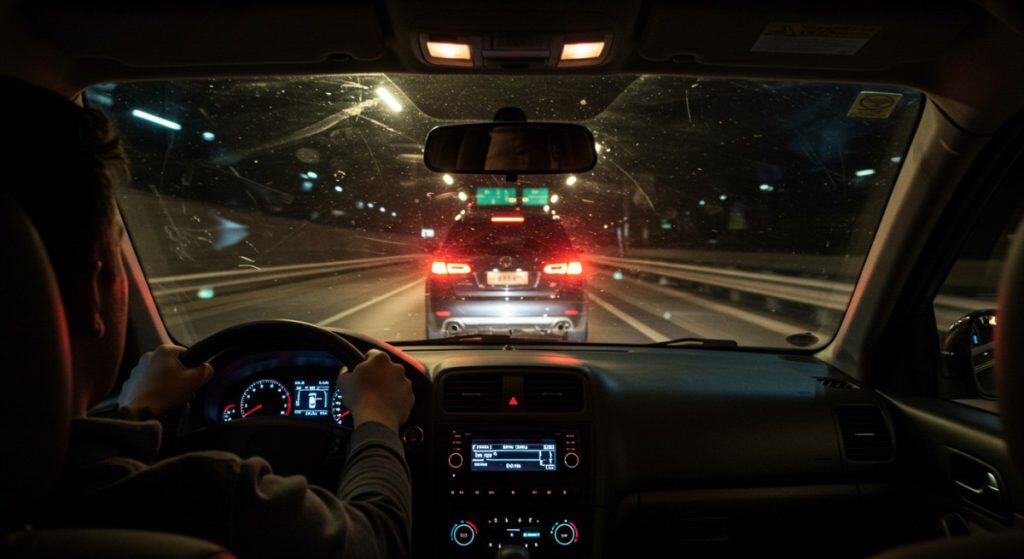
Before long, there’s this sense of mission. Like you need to teach that person a lesson. Flash the high beams. Block them from merging. Lean on the horn a little longer than necessary. In the moment, it feels justified. Like you’re restoring some kind of balance.
But really, it’s just one driver trying to punish another. And that rarely goes well.
When Your Bad Day Meets Someone Else’s Bad Driving
Road rage gets worse during rush hour, hot weather, long commutes. It’s not just the traffic though. It’s everything else that’s been building up finally finding an outlet.
Work stress. Not enough sleep. That argument from this morning that’s still playing in your head. Then someone forgets to yield or cuts too close, and suddenly all that frustration has somewhere to go.
Cars create this weird kind of privacy bubble. You’re enclosed, separate, protected. That insulation gives a false sense of safety. Lowers the usual guardrails that keep emotions in check. Screaming at another driver from behind glass feels safe, even when it definitely isn’t.
Add the right conditions—tight traffic, delays, heat—and even normally calm people can lose it.
Who’s Most Likely to Snap?
Young guys are statistically more likely to get aggressive behind the wheel. That’s been true for years. But honestly, road rage doesn’t discriminate much. Catches pretty much anyone under the right circumstances.
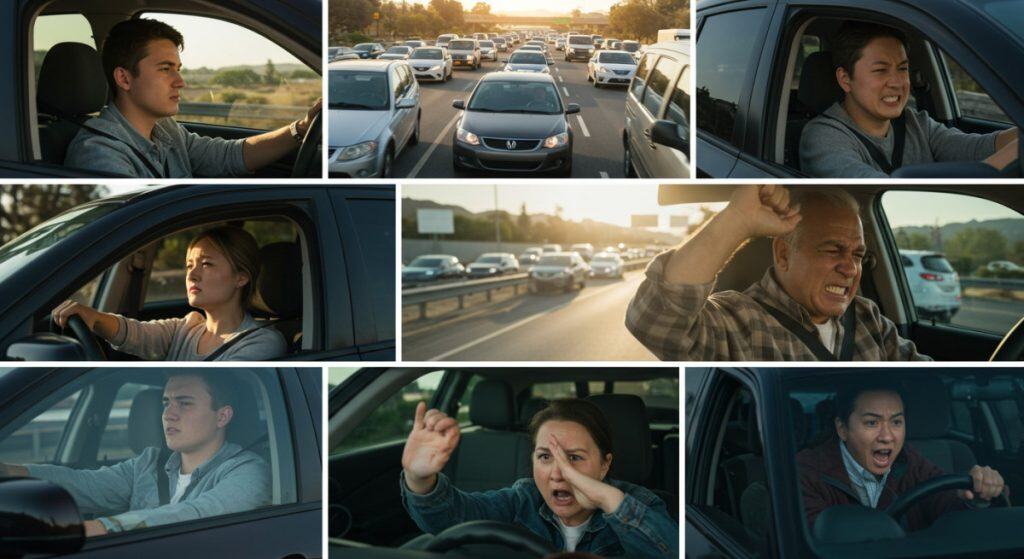
Some personality types are more prone to it. Competitive people. Type A personalities. People who take neutral actions, like someone passing them, as personal challenges. Culture plays a role too. Some places, aggressive driving is almost expected. That makes behavior seem normal that would shock people elsewhere.
But anyone can have a moment. That’s what makes road rage so common and so hard to predict.
What Happens When People Actually Lose It (Spoiler: Nothing Good)
Usually starts small. A honk. Flashing lights. Maybe some choice words or a gesture. But sometimes it escalates. Following someone. Swerving. Getting out of cars. Actual confrontations.
That’s where things get scary.
There are way too many stories of minor driving incidents turning into crashes, fights, or worse. The kind of situations that leave everyone wondering how it got that bad over a lane change.
Anger messes with your judgment. Makes it hard to see the consequences or think clearly. What should have been a five-second annoyance becomes something that ruins the whole day. Maybe more than that.
There’s also the aftermath. Even when nothing dramatic happens, that burst of rage poisons the rest of the drive. Some people carry it around all day. Others just feel drained afterward, like something took control that shouldn’t have.
Learning to Handle It: When Driver Education Actually Helps
If road rage is a struggle, or even just something you want to be better prepared for, driver education can genuinely help. And it doesn’t mean going back to a classroom with a chalkboard.
Plenty of defensive driving and anger management courses are available online or in local sessions, often with flexible schedules. These programs walk drivers through common emotional triggers, teach calming techniques, and offer real-world strategies for avoiding escalation.
Some even include insurance perks as a bonus. But beyond that, they offer a way to become more aware of your own reactions. Think of it like a skills upgrade—learning to stay in control, even when the traffic gets out of hand. The goal isn’t perfection. Just fewer bad moments behind the wheel.
How to Not Be the Person Everyone Else Wants to Rage At
Avoiding road rage doesn’t mean being perfect. Just means catching yourself before things spiral.
Reframing helps a lot. Instead of assuming someone’s being malicious, assume they’re distracted. Or stressed. Or just made a mistake. Even if that’s not true, it makes it easier to let go and move on.
Planning ahead makes a difference too. Being late makes everything more frustrating. So does being hungry or listening to music that amps you up instead of calming you down. Comfortable temperature, decent music, maybe crack the windows. Little things that keep the stress level manageable.
If this kind of stuff interests you—how people really behave behind the wheel, why cars affect our minds the way they do—there’s a whole lot more on Motor Hills. Real-world advice, deep dives, and plenty of topics drivers care about, whether they’re cruising highways or stuck in traffic.
Sometimes it’s just about remembering what actually matters. Getting there safely is more important than teaching someone a lesson. The goal is to arrive in one piece, not to win some imaginary competition.
Most of the time, the other driver probably isn’t even thinking about whatever they did that ticked you off. They’re just trying to get where they’re going too.