Skip to content

If your driving record is clean and your premium still feels high, the short answer is simple: your insurer is pricing a lot more than your driving record. In 2026, a clean history still helps, but it does not cancel out where you live, what you drive, how your policy is built, who is on the policy, how expensive claims have become, or whether your insurer raised rates across a whole territory or book of business.

That is the frustrating part of car insurance right now. You can have no tickets, no at-fault accidents, and no obvious reason to feel “high-risk,” then still open a renewal notice that looks wrong. Usually, it is not one dramatic thing. It is a mix of base-rate increases, territory pricing, vehicle risk, coverage choices, and marketwide claim costs all stacking together.
The good news is that these increases are usually not random. Most of the time, there is a reason you can actually trace.
Quick Answer: Why Is My Car Insurance So High Even With a Clean Record in 2026?

A clean record is only one part of the formula.

Insurers also look at your ZIP code, your garaging address, your vehicle’s repair and theft profile, your annual mileage, the limits and deductibles on your policy, who else lives in your household, and in some states, credit-based insurance scoring or similar underwriting tools. So if your premium jumped and your driving record did not change, the real question is not just “What did I do?” It is “What part of the formula got more expensive?”

In 2026, that matters more than ever because the national headlines can feel misleading. BLS CPI Table 1 from the April 2026 CPI release showed motor vehicle insurance up only 0.2% year over year, but motor vehicle maintenance and repair was still up 5.1% and hospital services were up 5.5%. So even though the rate of insurance inflation slowed, the stuff insurers have to pay for is still expensive.
Why clean drivers still got hit with higher premiums
A lot of people assume insurance works like this: you start with a fair base, and tickets or crashes make it worse. In reality, the base itself can move a lot before your safe-driver discount ever gets applied.

The Treasury Department’s Federal Insurance Office annual report, published in 2025 and covering 2024 data, showed how aggressive that reset was. Private-passenger-auto liability premiums increased 12% in 2024, and auto physical-damage premiums increased 14%. A big part of that came from approved rate hikes, more frequent filings, and a growing use of six-month policy terms that let insurers reset prices faster.
That helps explain why 2026 feels so contradictory. On paper, things look calmer than they did a year or two ago. In real life, many drivers are still paying from a much higher baseline that got built during 2024 and 2025.
That is also why shoppers have stayed active. JD Power’s 2025 Insurance Shopping Study found that shopping activity remained very high, which is a strong sign that many drivers were still trying to escape expensive renewals even after the steepest rate hikes had started to cool.
One reason your premium rose even though you did nothing wrong: state rules changed
Sometimes the premium went up because the law changed before you ever touched the policy.
California is one of the clearest examples. The California Department of Insurance warned that beginning January 1, 2025, renewing policies would move to higher minimum liability limits. That means even a clean-record driver carrying minimum coverage could see the premium rise simply because the state required a more expensive baseline policy than before.
North Carolina is another good example. Starting July 1, 2025, the state raised minimum bodily-injury and property-damage limits and added underinsured motorist coverage to new and renewed minimum-limit policies. That is exactly the kind of change that can hit a perfectly clean driver because the policy itself became more expensive before the insurer ever got to your individual record.
This is one reason insurance gets confusing. People think the premium only changes when their personal risk changes. Sometimes the state just raised the floor.
Your ZIP code matters more than most people think
Where your car is kept is one of the biggest pricing factors, and a clean record does not override it.
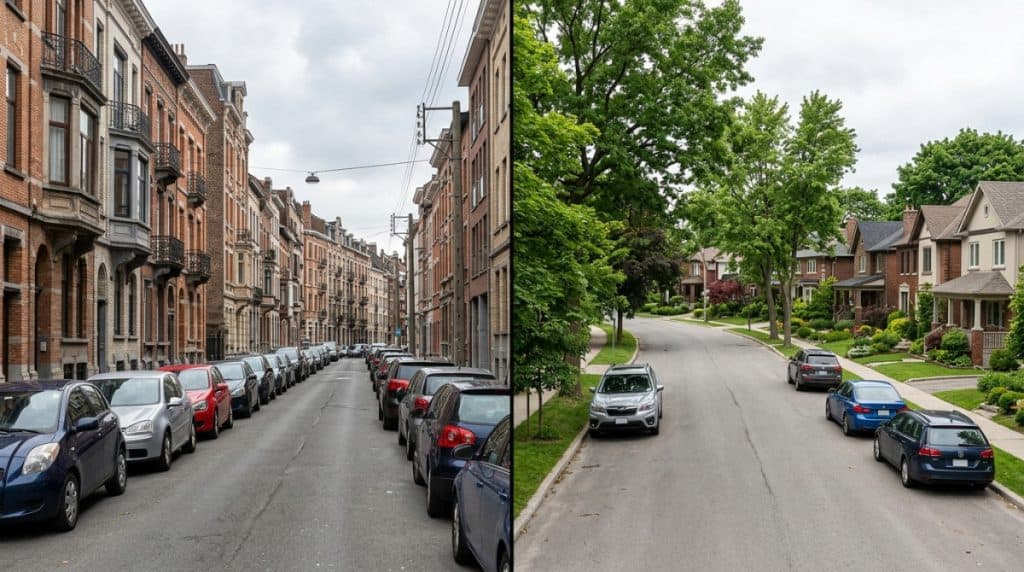
Insurers group drivers into territories based on claim history, accident density, theft, vandalism, fraud, weather exposure, repair costs, and litigation patterns. Maryland’s 2025 report on rate assignment by ZIP code makes that point very clearly: territories with higher losses start with higher base rates before individual driving history is even applied. Washington’s auto insurance guide says something similar in plain language, noting that where you keep your car can affect the price because some areas have more accidents, theft, or vandalism than others.
That means a careful driver in a high-cost ZIP code can still start from an expensive baseline. It is one of the biggest reasons two drivers with similarly clean records can get very different renewal prices.
This is also why premiums can feel unfair. Your bill is not only about what you did behind the wheel. It is also about what is happening around you.
Your car might be expensive to insure even if you are not an expensive driver
Insurers do not only price the person. They price the vehicle.
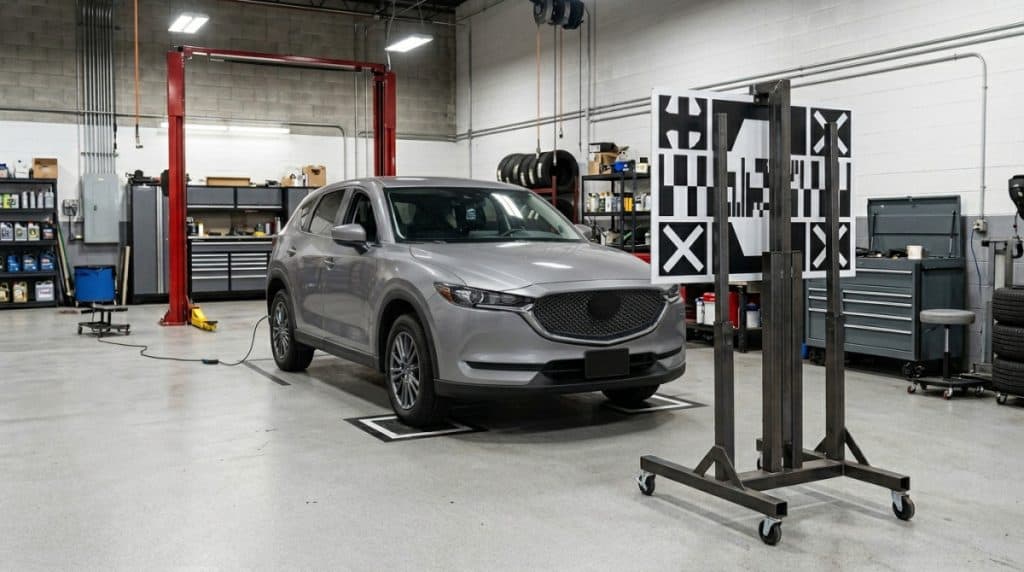
That matters a lot more now because modern vehicles are packed with cameras, radar, sensors, calibration-heavy parts, and expensive body hardware. Safer does not always mean cheaper to insure. In fact, one of the more useful JD Power stats in this whole conversation is that newer vehicles with three or more ADAS features averaged a 21.5-day repair cycle, compared with 17.9 days for older vehicles without those systems. That longer repair cycle usually means more shop time, more rental time, and a more expensive claim.
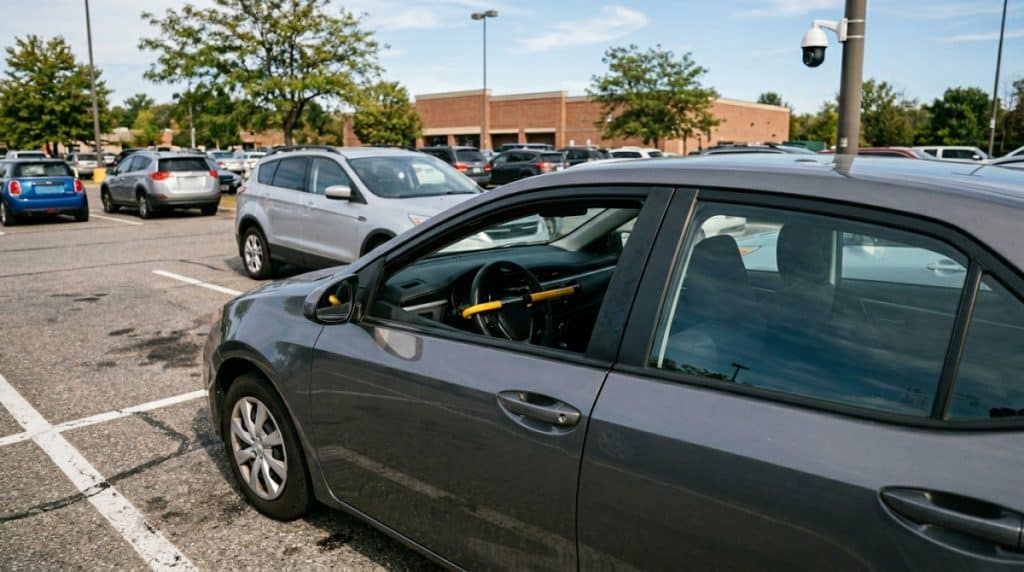
The theft side matters too. HLDI’s 2025 theft report, based on 2022 to 2024 model-year vehicles, found average whole-vehicle theft claim severity of $53,217, with pickups averaging even higher at $66,984. So if you drive something expensive to repair, easy to steal, or both, your premium can stay high even if you drive carefully.
This is also why a newer vehicle can surprise people. You may have upgraded from an older sedan to a newer crossover or truck and expected a modest increase. But to the insurer, you may have also upgraded into more sensors, costlier parts, higher theft exposure, and a larger replacement bill.
Other drivers on your policy can raise your price too
This one catches people off guard all the time.
Insurance is often priced on the household, not just the person whose name is on the bill. If there is a teen driver, a newly licensed driver, or another higher-risk household member on the policy, that can pull the premium up even if the main driver has a perfect record.
This is also why it is worth checking the declarations page carefully. Sometimes the issue is not a dramatic life change. It is that someone who moved out, no longer uses the car, or should have been removed from the policy is still sitting there affecting the rate.
A clean-record parent with a teen on the policy can absolutely end up paying much more without having done anything wrong.
Coverage choices can quietly make you expensive
Sometimes the premium is high because the policy itself is carrying a lot of risk.
If you are carrying full coverage with low deductibles, rental reimbursement, roadside assistance, and other add-ons, you may be insuring far more than you realize. That does not mean those choices are bad. It just means they cost money.
Mileage matters too. The more miles you drive, the more exposure the insurer sees. A clean driver with a long daily commute is still on the road more often than a clean driver who barely uses the car.
Lost discounts are often invisible until renewal. A few small changes can make the price jump without any obvious warning:
- a dropped autopay discount
- a bundle discount that disappeared
- paperless billing no longer applied
- telematics participation ending
- mileage assumptions increasing at renewal
These are not dramatic changes, but together they can make a renewal look much worse than expected.
The 2026 contradiction: the headlines cooled, but the bill still hurts
This is probably the most confusing part for readers.
If you look only at the biggest inflation headlines, it can sound like insurance is calming down. And compared with the sharp spikes of the last couple of years, that is true.
But that does not mean your premium is back to normal. It means rates have cooled while staying elevated on a much higher base. The claims environment is still expensive. Repairs still cost more. Medical treatment still costs more. Total-loss thresholds have shifted. Newer cars are slower and costlier to repair. And a lot of policyholders are still moving through six-month renewals that reprice faster than the old 12-month habit people were used to.
So yes, the national picture cooled. Your household budget may still feel like nothing cooled at all.
How to audit your premium before you assume the insurer is wrong
Before you panic or slash coverage, do a quick policy audit.

Pull your current declarations page and compare it to the last term line by line. Check:
- garaging address
- ZIP code
- annual mileage
- listed drivers
- VIN and trim level
- liability limits
- comp and collision deductibles
- rental reimbursement
- roadside assistance
- paperless or autopay discounts
- bundle discounts
- any notes about state minimums or underwriting changes
That step alone catches a lot of surprises.
Then ask the insurer to explain the increase. Washington’s Office of the Insurance Commissioner has one of the clearest consumer explanations on this: policyholders can ask why the premium increased, and insurers are expected to explain it in plain language. Starting June 2027 in Washington, renewals with increases of 10% or more will require an automatic written explanation, which tells you where this whole market is heading.
A simple version of that request sounds like this:
Please explain the main factors behind my renewal increase and let me know whether any discounts, mileage assumptions, listed drivers, vehicle details, territory pricing, or policy limits changed.
After that, shop the same coverage with at least three carriers. That part matters. A cheaper quote is meaningless if it quietly changed deductibles or stripped out coverages you were carrying before.
Only after you do all of that should you decide whether to raise deductibles, drop extras, or rethink collision and comprehensive on an older paid-off car.
What to Do Next
A clean record is still valuable. It is just not the whole story anymore.
In 2026, your premium can still be high because your territory is expensive, your car is costly to repair or steal, your policy structure carries more risk, another household driver changed the pricing, state rules moved the minimums, or your insurer repriced the whole book after years of claim pressure.
So if your premium jumped, do not assume the reason is your driving. First figure out which part of the formula moved. Then do three things in order:
- Audit the declarations page
- Ask the insurer to explain the increase
- Shop the same coverage before changing the policy
That is the most useful way to handle a bad renewal in 2026.
FAQs
Can my car insurance go up even if I had no tickets or accidents?
Yes. Your record is only one pricing factor. Insurers also rate location, vehicle type, mileage, household drivers, deductibles, coverage choices, and, in some states, credit-based insurance scoring or similar underwriting data.
Why did my renewal jump if nothing changed on my end?
Sometimes something did change on the insurer or state side instead. Approved rate increases, higher legal minimums, six-month repricing, rising claim costs, and territory-based pricing can all lift your renewal even if your own record stayed clean.
Does ZIP code really matter that much?
Yes. Where the car is kept is one of the biggest rating factors because insurers price accident frequency, theft, vandalism, fraud, and repair costs by territory.
Can credit affect my car insurance if my record is clean?
In some states, yes. In other states, no. The rules vary a lot. Some states restrict or prohibit credit-based auto rating, while others still allow it in some form.
Why is insuring a newer car so expensive?
Newer cars often cost more to repair because of ADAS sensors, cameras, and calibration-heavy parts. Higher vehicle values and theft exposure can also raise premiums.
Will raising my deductible lower my premium?
Usually, yes, especially for collision and comprehensive. But the real question is whether you can comfortably afford that deductible if you actually need to file a claim.
Should I drop collision or comprehensive to save money?
Sometimes, especially on older paid-off vehicles with low value. But it should be a deliberate decision based on the car’s value and your ability to replace or repair it yourself, not a panic move after one bad renewal.
What is the first thing I should do after a surprise renewal increase?
Compare your new declarations page against the old one and ask the insurer to explain the increase in writing. Then shop the same coverage with multiple carriers before cutting anything.
Related Resources
- NAIC Consumer Explainer Why Premiums Increase
- U.S. Treasury Federal Insurance Office Annual Report
- BLS CPI Table 1, April 2026 CPI Release
- California Department of Insurance alert on higher minimum liability limits starting in 2025
- JD Power 2025 Insurance Shopping Study
- IIHS article on ADAS safety benefits and repair-cost context