 Skip to content

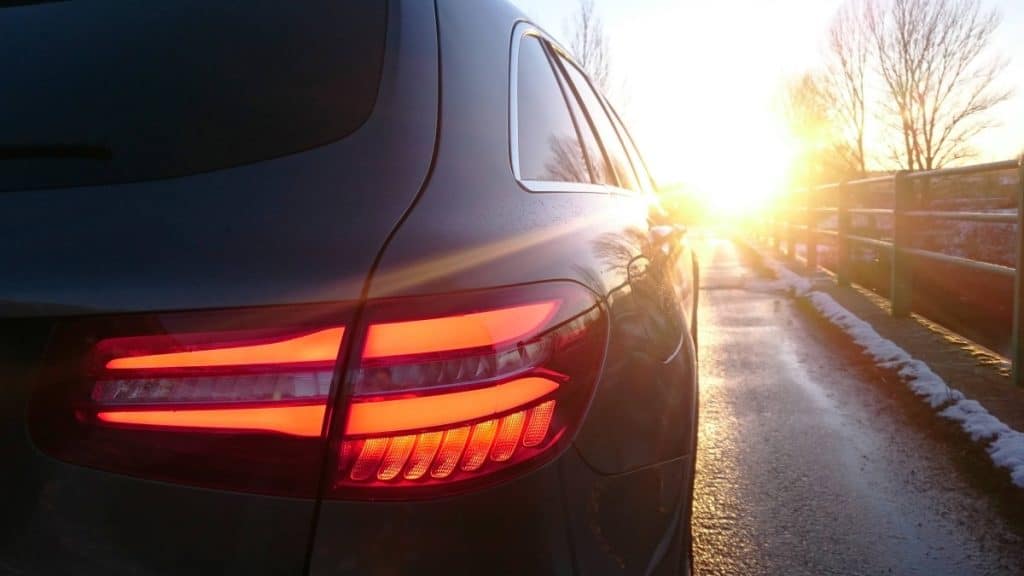
Smoked tail lights have a clear lens tinted to create subdued darkness. Typically, a spray-on film or tint achieves this effect. However, some people opt for professional smoking to achieve the desired look.

Professional smoking typically involves tinting the clear lens in the tail light assembly. This customization enhances your car’s appearance and matches your aesthetics. However, make sure the law permits it.
Understanding the Legal Landscape
The legality of smoked tail lights does vary largely with your state of residency and vehicle registration. In most cases, this modification is legal. However, some states completely ban it. Others impose very strict regulations on the color and brightness of tail lights.
In addition to the state laws, all vehicles have to meet Federal Motor Vehicle Safety Standards (FMVSS) which dictate the requirement of red tail lights at a minimum brightness. Federal regulations supersede state laws. So, even if a state allows smoked tail lights, they must still meet FMVSS requirements.
How Do I Know If Smoked Tail Lights Are Legal Where I Live?
One reason for the confusion surrounding the legality of smoked tail lights is the variability of laws between states, and sometimes even within different regions of the same state. The following steps will help you to determine whether the smoked tail light is legal in your area:
- Consult Local Authorities: This is the easiest and quickest way to get an absolute answer: just ask your local DMV, DOT, or municipal officials.
- Seek Professional Advice: Turn to the local car body shops, mostly those authorized in auto-body and paint work or particularly in tail light tints.
- Avoid Blacked-Out Tail Lights: Remember, every state considers completely blacked-out tail lights illegal. If you can’t see the light while pressing the brake, your tail lights are too dark. You should reduce or remove the tint.
How Are Smoked Tail Lights Regulated?
Visibility
Reduced light visibility, especially under night conditions, is a major problem with smoked tail lights. This might be hazardous to you and others out in the traffic. The reduced visibility contributes to a higher risk of road accidents because it becomes difficult for other drivers to see your vehicle. Laws take into account this risk factor by setting minimum visibility requirements.
- Standard Requirement: In most states, tail lights should be at least seeable from 500 feet away.
- Higher Standard: Some states raise that number to 1,000 feet.
- Less Stringent Requirements: Some states allow as low as 100 to 300 feet.
- Light Transmission: Some states, like Georgia and Florida, require a certain percentage of light to pass through tinted tail lights.
Color
Some regulations, in addition to the visibility requirement, also specify the allowable color for the tail light.
- Requirements: Most of these regulations require that the tail lights be red, independent of any permitted tinting.
- Exceptions: Some states allow other colors, such as blue or yellow.
- Federal Compliance: Tail lights should also meet the FMVSS requirement since, irrespective of state regulations, it has to ensure safety and visibility.
Federal Regulations: FMVSS Compliance
It’s important to point out that all tail lights must meet FMVSS, which is nationwide and takes precedence over state statutory law. These requirements ensure the tail lights are red and have a minimum glow or brightness for good line-of-sight conditions necessary for safe driving. Failure to meet or comply with FMVSS will bring fines, even when specifically permitted at the state level.
Trends in Enforcement
Over the last few years, states such as California, New York, and Texas have been strengthening enforcement of non-compliant tail lights. In these states, police issue fines to vehicle operators whose tail lamps do not conform to the standards. For that reason, it’s more important than ever to make sure that your vehicle is legal according to every necessary standard.
New Technologies and Alternatives
- LED Tail Lights: LEDs are among the technologies that can make driving at night easier by providing better visibility and brightness. With LEDs as well, however, the lights must be visible for the regular length.
- Adjustable Tinting: There are new products on the market with electronically adjustable tints that can change in darkness. While these can be a legal alternative in areas where visibility is a concern, they still must comply with both state and federal laws.
Impact on Resale and Insurance
It’s worth noting that modifying your tail lights can raise flags about your vehicle’s resale value. Most buyers are wary of buying a car with non-compliant mods. Such mods can increase your insurance premiums. They can also void your vehicle’s warranty if authorities deem the alteration illegal or a safety risk.
Can I Smoked My Vehicle’s Tail Lights Myself?
Yeah, you can smoke the tail lights yourself if you know certain DIY methods found online that use spray-on tints or films. However, experts do not recommend it, especially if you live in a state with strict regulations.
Professional installation will be much safer, as it will ensure full compliance with local laws. The prices for professional services mostly vary from $65 to $150 per lens. Pros use high-grade materials that provide a clear finish and focus much on durability without any kind of compromise in safety.
Final Thoughts
Smoked tail lights improve your vehicle’s look, but you must balance the style with safety and legality. Research state and federal regulations to make sure that you’re following them prior to making any modifications.
Not only does professional modification meet legal standards, but it will also protect your investment. This will ensure a resale value for your vehicle and deters possible legal implications or insurance problems later on. In this fashion, be wise with safety in mind, and you shall have that personified smoked tail light look while remaining on the right side of the law.


