Skip to content

The way we maintain our cars has changed dramatically over the years. Checking your car’s oil or coolant once required manual inspections with dipsticks and visual assessments, but those days are quickly fading. Automated fluid monitoring systems have taken center stage thanks to advances in automotive technology. These innovations make vehicle maintenance more efficient and reliable and redefine what it means to keep a car in top condition. Modern automotive systems offer a smarter, safer, and more streamlined approach to vehicle care, paving the way for a future where manual checks are largely a thing of the past.
The Evolution of Fluid Monitoring in Cars
In the past, traditional vehicle maintenance relied heavily on manual inspections. Drivers used dipsticks to check oil and transmission fluid levels and visually assessed brake fluid and coolant levels. While these methods were effective, they were often prone to human error, inconsistent maintenance schedules, and overlooked issues that could result in significant damage.

The shift to automation began with integrating onboard diagnostics (OBD) systems, which allowed vehicles to monitor performance and fluid levels in real time. Advanced sensors soon followed, automating this process further by alerting drivers to issues before they become critical. This evolution transformed maintenance from a labor-intensive task to a seamless, automated process.
Key Technological Advances in Fluid Monitoring
Several major technological advancements have driven this transformation:
- Transmission Fluid Monitoring: Precision sensor-based systems have replaced traditional dipsticks that continuously monitor fluid levels and quality. This innovation eliminates human error and ensures maintenance is performed only when necessary.
- Engine Oil Condition Monitoring: Real-time sensors assess oil viscosity, contamination, and temperature. By monitoring actual oil conditions rather than relying on fixed schedules, these systems extend oil change intervals, reducing waste and costs.
- Brake Fluid and Coolant Monitoring: Advanced sensors monitor fluid levels and detect anomalies such as leaks or contamination. Alerts are sent directly to the driver, improving safety and ensuring critical systems operate optimally.
Increasing Complexity and Intentional Barriers
While automated systems bring undeniable convenience, they also introduce new challenges for vehicle owners. Modern cars are designed to make manual assessments nearly impossible. Checking oil levels often requires special tools or authorized software to interact with the vehicle’s onboard systems. Additionally, simply resetting the oil light after an oil change can demand proprietary software, locking routine maintenance behind technical and financial barriers.
This intentional design shift increases reliance on authorized service centers and trained technicians. While it ensures that maintenance is performed correctly and in line with manufacturer standards, it also reduces the accessibility of DIY car care. This trend highlights the growing complexity of modern vehicles and the need for drivers to adapt to new ways of interacting with their cars.
Benefits of Automated Fluid Monitoring
Automated fluid monitoring systems offer several clear advantages:
- Enhanced Reliability: Continuous, real-time monitoring significantly reduces the risk of mechanical failures by ensuring fluid levels and quality remain within optimal ranges.
- Reduced Maintenance Hassle: Drivers no longer need to perform manual checks, saving time and effort. Maintenance alerts are delivered through dashboards or connected apps.
- Environmental Sustainability: Automated systems reduce unnecessary fluid changes and minimize environmental waste, optimizing maintenance intervals and contributing to a greener automotive industry.
Considerations for Vehicle Owners
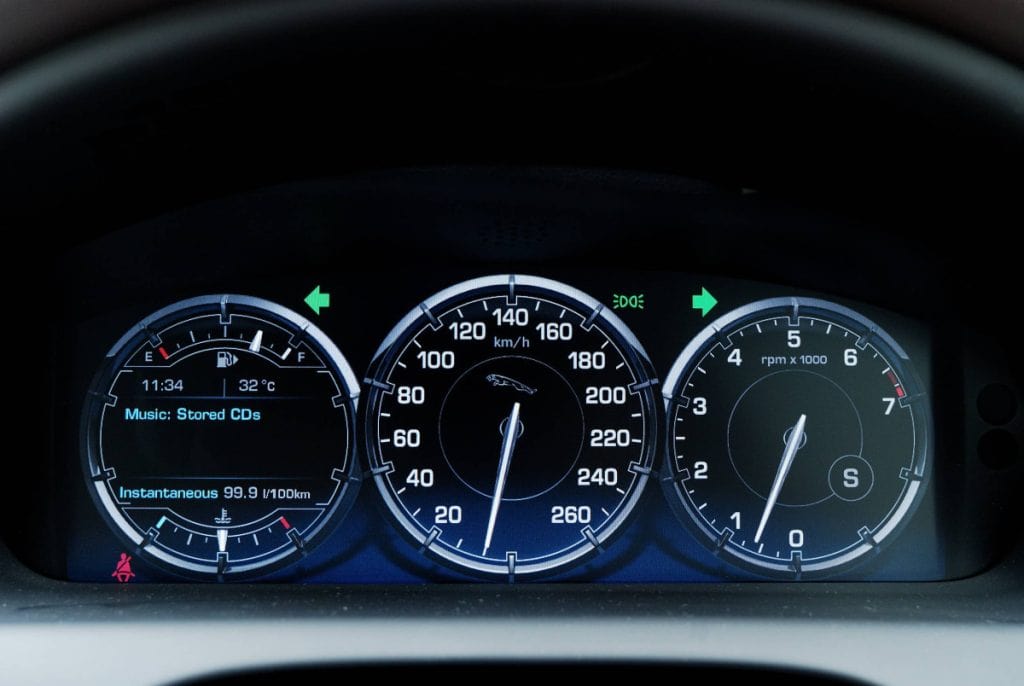
Despite the convenience of automated systems, vehicle owners still play a vital role in maintenance. It’s essential to understand how to interpret system alerts and notifications. Familiarizing yourself with your car’s owner manual can provide critical insights into these systems.
Regular professional maintenance remains essential. Sensors and systems require periodic calibration and inspections to ensure accuracy. Mechanics can also identify underlying issues that may not trigger alerts but could impact vehicle performance.
Drivers should also stay proactive by adhering to manufacturer-recommended maintenance schedules. While automation handles much of the work, neglecting system alerts or maintenance reminders can lead to costly repairs.
Challenges and Limitations
Automated systems, while advanced, come with their own set of challenges:
- Sensor Reliability: Sensors can occasionally fail or produce false alerts, leading to unnecessary repairs or missed maintenance needs.
- Dependency on Technology: Modern cars often lack manual alternatives, leaving drivers reliant on these systems. If a system fails, critical issues may go undetected.
- Knowledge Gaps: Many drivers are unfamiliar with interpreting system alerts or understanding their vehicle’s automated features, which can lead to unnecessary worry or inaction.
- Higher Repair Costs: Repairing or replacing advanced systems can be expensive, particularly in premium vehicles with sophisticated monitoring technologies.
The Future of Fluid Monitoring
The future of fluid monitoring is set to become even more innovative with the integration of artificial intelligence (AI) and the Internet of Things (IoT). Predictive maintenance systems will anticipate and address potential issues before they occur, enhancing convenience and reliability.
These advancements are also reshaping the automotive repair industry. As vehicles become smarter, technicians must develop new skills to diagnose and repair these advanced systems. This shift is creating demand for expertise in software and electronics, areas that were previously less relevant in traditional vehicle maintenance.

Another exciting prospect is environmental benefits. Smarter fluid monitoring systems continue to reduce automotive waste, aligning with global sustainability goals and helping drivers minimize their ecological footprint.
Driving into the Future of Maintenance
The decline of manual fluid checks reflects the incredible advancements in automotive technology. Automated systems have transformed vehicle maintenance, offering unprecedented convenience and reliability. However, drivers must remain informed and proactive to ensure their vehicles remain reliable and efficient. As technology continues to evolve, the future of automotive maintenance promises to be even smarter, greener, and more efficient.
Resources:
- https://www.autozone.com/diy/transmission/how-to-check-transmission-fluid-without-a-dipstick
- https://www.autozone.com/diy/maintenance/car-maintenance-schedule-guide
- https://rheonics.com/solutions-item/real-time-engine-oil-condition-monitoring/
- https://www.trustmymechanic.com/the-role-of-ai-and-automation-in-car-diagnosis-and-repair/