Skip to content

Getting your next ride doesn’t have to be overwhelming. Whether you’re eyeing a shiny new model, considering leasing, or hunting for the best-used car deal, there’s no one-size-fits-all answer. It all comes down to your budget, how you’ll use the car, and what matters most.
Let’s break it down in a way that’s easy to digest. We’ll discuss the pros and cons of buying new, leasing, and going used so you can make the best call for your lifestyle. Plus, we’ll sprinkle in some practical tips to steer you in the right direction.
The Options at a Glance
Buying New: For the Peace of Mind Crew
A brand-new car? Nothing beats that fresh-off-the-lot smell. You’ll get cutting-edge safety tech, the latest gadgets, and peace of mind with solid warranties.

Pros:
- Latest tech and safety features.
- Customization options to suit your style.
- Warranty protection for years to come.
Cons:
- Higher upfront costs (hello, taxes and fees).
- Depreciation hits hard—the car loses value fast.
Best For: Long-term owners who value reliability, modern features, and the reassurance of a warranty.
Leasing: For the Upgrade Lovers
Leasing is like dating your car—you enjoy it for a while and then move on to the next. It’s an excellent option for those who love driving the latest models without the big financial commitment of buying.

Pros:
- Lower monthly payments compared to buying.
- Always driving something new.
- Repairs? Usually covered under warranty.
Cons:
- Mileage limits can cramp road trips.
- No ownership—you return the car at the end.
- Extra fees for wear and tear or exceeding mileage.
Best For: Drivers who love the flexibility of upgrading often and can stay within mileage caps.
Buying Used: For the Savvy Spenders
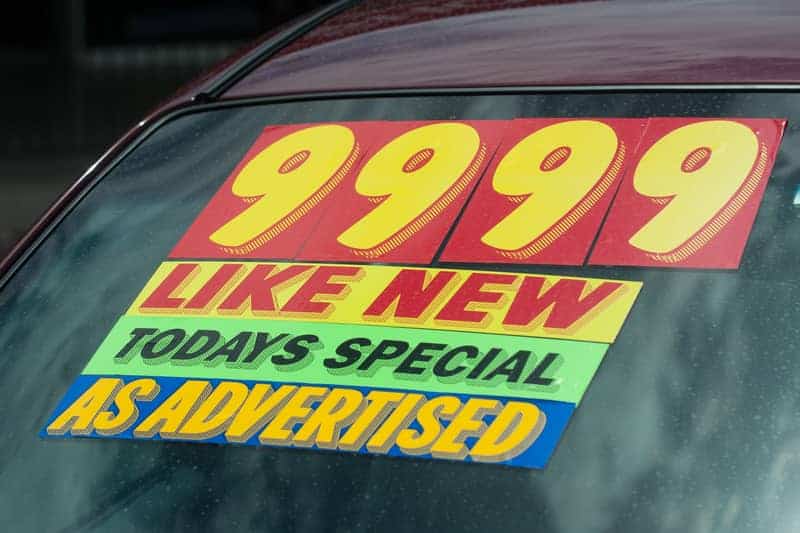
Used cars are the MVP for budget-conscious buyers. You’ll dodge the heavy depreciation new cars face and score a solid ride without breaking the bank.
Pros:
- Lower price tag and insurance costs.
- Slower depreciation means better value over time.
- There is a wide variety of models to choose from.
Cons:
- Higher maintenance costs as the car ages.
- Limited or no warranty unless certified pre-owned (CPO).
- Potential for hidden issues from past use.
Best For: Budget-conscious buyers willing to do extra homework to find a gem.
What to Consider Before Deciding
Your Budget
If money’s tight, a used car is your go-to. Leasing might also work if you want lower monthly payments. Buying new? It’s pricier upfront but better for long-term value.
Your Driving Habits
Racking up the miles? Skip the lease—those mileage limits will cost you. If you’re in it for the long haul, buying new or used will likely save you more.
Current Market Trends
Prices are up across the board: new cars average $49,000, while used cars hover around $27,000. Leasing is gaining popularity thanks to its affordability, now accounting for about 25% of sales.
Quick Tips to Make the Right Call
- Know What Matters Most: Do you need the latest tech or just a dependable ride? Be clear on your priorities.
- Do Your Homework: Compare prices, features, and warranties. For used cars, always get a vehicle history report.
- Plan for the Extras: Factor in insurance, maintenance, and unexpected repairs.
The Bottom Line
Your ideal car depends on your wallet, lifestyle, and long-term plans. New cars are all about reliability and features, leasing keeps things fresh and flexible, and used cars are perfect for stretching your dollar.
Ready to hit the road?
Use this guide to make a confident decision and drive off in the right car. If you’ve got questions or need advice, we’re here to help—drop us a line or check out more of our practical car-buying tips.