Skip to content

GAP insurance is an optional product that can help cover the difference between what you still owe on a car loan or lease and what your auto insurer pays if the vehicle is totaled or stolen and not recovered. In plain English, it is there for the moment when the car is gone, the insurance check is not enough to pay off the loan, and you would otherwise be stuck owing money on a vehicle you no longer have. CFPB says that is exactly what GAP is meant to do, and NAIC makes the same point: standard auto coverage pays the vehicle’s value, not whatever balance is still sitting on your loan.
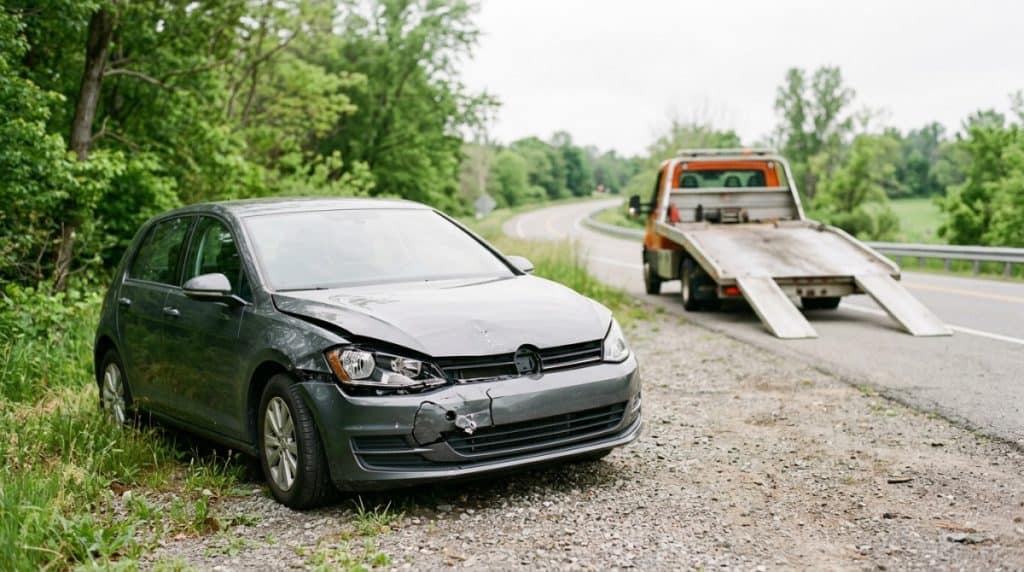
The bigger question is whether it is actually worth paying for. Usually, GAP is most worth considering when you have little money down, a long loan, rolled-over negative equity, or a lease. It is usually much less useful once you have built enough equity, have a short remaining balance, or could comfortably absorb a several-thousand-dollar shortfall on your own. CFPB also warns that GAP prices can vary a lot, and if you finance the product into the loan, you will pay interest on it too.
What GAP insurance actually covers
The easiest way to understand GAP is to start with what your normal insurance does not do. If your car is totaled, collision or comprehensive coverage generally pays up to the vehicle’s actual cash value, not the payoff amount on your loan. If the car is worth less than you owe, you are responsible for the shortfall unless you have some kind of GAP or loan/lease payoff protection. CFPB defines GAP as an optional product intended to cover that difference, and NAIC says the same thing in consumer language.

A simple example makes this easier:
- You still owe $29,000
- Your insurer values the car at $24,000 after a total loss
- GAP may cover the $5,000 difference, depending on the contract
That is the core idea. GAP usually comes into play when the car is totaled or stolen, not when it just needs normal repairs. CFPB frames GAP around stolen or totaled vehicles, and Progressive’s loan/lease payoff example also describes it as a total-loss or theft-type shortfall product rather than everyday repair coverage.
This is also where people get confused by similar-looking products. GAP is not the same thing as an extended warranty or service contract, which covers some repairs. It is also different from debt cancellation or debt suspension products, which CFPB says are usually offered by lenders or dealers, can promise to cancel or pause payments under certain hardships, and are not regulated by state insurance officials the way insurance products are. Progressive also states clearly that its own loan/lease payoff coverage is not the same as full GAP insurance, even though the two products can sound similar in a finance office.
Why people end up upside down on a car loan
The “gap” exists because car values and loan balances do not fall at the same pace.
The first big reason is depreciation. Kelley Blue Book says many vehicles lose about 20% or more in the first year, about 30% over the first two years, and often around 55% within the first five years. That means a car that looked fine on paper when you signed the deal can drop in value faster than many buyers expect.
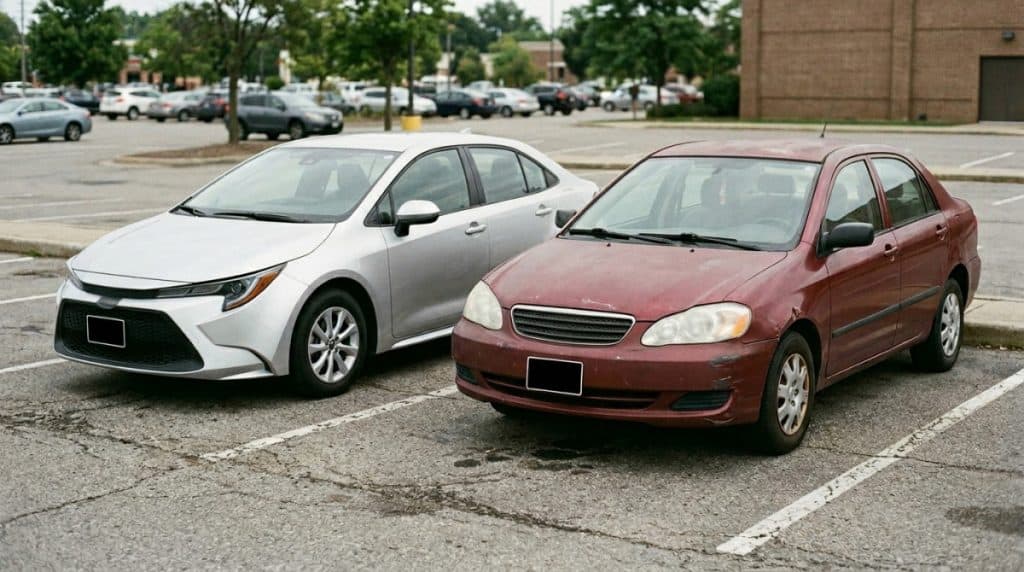
The second big reason is loan structure. FTC warns that long loans can keep monthly payments lower while making the overall deal more expensive, and specifically says that with long terms like 72 or 84 months, you can end up owing more than the car is worth for much of the loan. CFPB makes a similar point in its auto-loan education, noting that financing optional products or stretching the term can raise total costs and keep you underwater longer.
Then there is negative equity. FTC’s trade-in guidance explains how dealers may say they are “paying off” your old loan, when in reality they may just roll the shortfall into the new loan. In FTC’s own example, a buyer who owes more than the trade-in is worth can have that unpaid balance added to the next loan along with interest. CFPB’s negative-equity findings likewise say financing negative equity can leave consumers further underwater.
A small or zero down payment pushes the same problem harder. FTC says saving for a down payment reduces the amount you need to finance, which lowers the overall financing cost. CFPB says GAP may be offered as an add-on during financing and that its cost can be rolled into the loan amount, which adds to the balance and total interest paid over time. Put those together, and it is easy to see how buyers end up upside down without doing anything reckless.
When GAP is actually worth it
This is the section that matters most.
GAP is usually worth pricing out when there is a real chance that a total loss would leave you owing a painful amount of money on a car you no longer have. That risk is highest when several of the following are true at the same time:
- you put very little down
- your loan term is long
- you rolled negative equity into the new loan
- you are leasing
- the vehicle is likely to depreciate quickly
- a several-thousand-dollar shortfall would be a real financial hit for you.
A low or no down payment matters because you start the loan with less equity. A long loan matters because you are paying principal down more slowly while the car keeps losing value. Rolled-over negative equity makes things worse because you are starting the new loan already underwater. FTC’s negative-equity explainer and financing guidance support all of that.

Lease situations are also where GAP or GAP-like protection often comes up for good reason. CFPB says GAP is a product dealers are likely to offer when purchasing or leasing a car, and Progressive explains that payoff protection can make sense when you owe more than the car is worth under the terms of the loan or lease.
Used cars should not be automatically ruled out either. The product can still make sense on a used vehicle if the financed amount is high relative to the car’s value, especially if taxes, fees, or rolled-over debt pushed the loan balance up. The point is not whether the car is new or used. The point is whether a total-loss payout would still leave you owing money.
A good quick checklist is:
- Did you put very little down?
- Is the loan term long?
- Did you roll old debt into this deal?
- Are you leasing?
- Would a $3,000 to $8,000 shortfall hurt your budget?
If you are answering “yes” to several of those, GAP is worth shopping.
When GAP is probably not worth it
This is where trust matters.
GAP is usually not worth it when your risk of a big shortfall is already low. That includes cases where you made a healthy down payment, chose a shorter loan, already built equity, are near payoff, or could easily cover the difference yourself without financial stress. The logic comes straight from what GAP is designed to do: it protects against a payoff shortfall. If there probably will not be much of a shortfall, the product becomes much less compelling.

It is also a bad idea to buy GAP just because someone in the finance office made it sound urgent or mandatory. CFPB says generally you cannot be required to buy GAP, an extended warranty, or credit insurance to get an auto loan, and if someone says you must, you should ask them to show where the sales contract says that. If it is not explicitly required in the contract, CFPB says you cannot be required to purchase it.
There is also a simple math point here: even if GAP conceptually makes sense, overpriced GAP can still be a bad deal. CFPB says the price can vary greatly, and if the cost is financed into the loan, it increases the loan balance and total interest you pay. So the question is not just “Do I need GAP?” It is also “Am I buying the right version at a reasonable price?”
The fine print matters more than the sales pitch
Not every GAP-style product works the same way, and this is where buyers get burned.
CFPB distinguishes insurance-style GAP from debt cancellation and debt suspension products. Those lender or dealer products may sound similar in the finance office, but CFPB says they are not regulated by state insurance officials the way insurance products are, and they add costs to the loan too. That alone is a good reason to slow down and ask exactly what is being sold.
Even products that look close to GAP can work differently. Progressive says its loan/lease payoff coverage is not the same as GAP insurance, may have different requirements and payout limits, and pays only up to 25% of the vehicle’s value, though the exact cap can vary by state. Progressive also says it does not cover certain additional charges, like excess mileage fees. That is a perfect example of why the contract matters more than the pitch.

Deductibles and exclusions can vary too. Navy Federal says its version may pay the outstanding loan amount and a portion of your insurance deductible, up to $1,000, but that is based on Navy Federal’s published terms at the time of writing and can vary by provider and product. The same Navy Federal explainer also says GAP does not cover maintenance, mechanical repairs, or every possible charge, and buyers should read the agreement and disclosure carefully.
CFPB’s 2024 supervisory highlights make this even more real. CFPB found cases where servicers financed GAP products on salvage-title vehicles, even though those products were void and delivered no benefit to the consumer. CFPB also found inaccurate refunds, refund delays, and situations where servicers continued collecting payments even after a GAP waiver should have covered the balance after a total loss. That is exactly why blind trust in the finance-office pitch is a mistake.
How to buy GAP without overpaying
The first rule is simple: do not buy the first GAP product placed in front of you without comparing it.
CFPB says GAP prices can vary greatly and that consumers should compare prices and coverage before buying. FTC says add-ons are not free, are financed along with the car, and buyers should ask the dealer to list the price of any proposed add-on before they visit the dealership. FTC also says you should focus on the total cost, not just the monthly payment.
That means checking at least three possible places:
- the dealer finance office
- your lender or credit union
- your current insurer or another insurer that offers a similar product.
Before you say yes, ask:
- What exactly is covered?
- Is there a payout cap?
- Is the deductible included?
- What is excluded?
- Can I cancel it?
- How does the refund work?
- Am I paying for it separately, or is it being financed into the loan?
If someone says GAP is required, CFPB’s advice is straightforward: ask them to show you where the contract says that. If it is optional, you can decline it.
Can you cancel GAP and get a refund?
Often, yes.
CFPB says you have the right to cancel these optional add-on products at any time and reduce your costs, and that you may be entitled to a refund if you sell, refinance, or prepay your auto loan. CFPB says to check with the lender, provider, or dealer if you do not have the paperwork.

A practical way to handle it is:
- read the contract
- contact the lender, dealer, or provider in writing
- ask how the refund is calculated
- confirm whether the refund goes to the loan balance or directly back to you.
This matters because CFPB’s supervisory report found refund problems in the real world, including inaccurate refund amounts and long delays. CFPB also says consumers can submit a complaint if they have an issue with the product.
The bottom line
GAP insurance is worth looking at when a total loss would leave you owing real money on a car you can no longer drive. It makes the most sense when the loan structure puts you at higher risk of being upside down for a while. It makes a lot less sense once you have equity, a short remaining balance, or enough cash cushion to handle the shortfall yourself.
So the simplest practical decision rule is this:
If a total loss tomorrow would leave you with a painful balance, GAP is worth pricing out. If the math already favors you, skip it.
FAQ
Is GAP insurance required on a financed car?
Usually no. CFPB says generally you cannot be required to buy GAP insurance to get an auto loan, and if someone says you must, you should ask them to show where the contract says that.
Is GAP insurance required on a lease?
Not always, but lease situations are one of the most common places where GAP or GAP-like payoff protection comes up. Check the lease paperwork carefully to see what is already included and what is optional.
Does full coverage include GAP insurance?
Not by default. Standard auto insurance pays up to the vehicle’s value, and NAIC says it will not pay off the auto loan if the market value is lower than what you owe. GAP is a separate optional product meant to cover that shortfall.
Does GAP insurance cover repairs?
No. GAP is generally for total-loss situations like a totaled or stolen vehicle, not routine repairs or maintenance.
Can you cancel GAP insurance and get a refund?
Often yes. CFPB says you may be entitled to a refund if you sell, refinance, or prepay the loan, and that you can cancel optional add-on products to reduce costs.
What is the difference between GAP insurance and loan/lease payoff coverage?
They are similar, but not always identical. Progressive says its loan/lease payoff coverage is not the same as GAP insurance and may have different payout limits and exclusions.
Related Resources
- CFPB explainer on what GAP insurance is and how it works.
- CFPB on whether a lender or dealer can require you to buy GAP.
- CFPB explainer on debt cancellation and debt suspension products.
- FTC guide to trade-ins and negative equity.
- NAIC consumer guide to auto-insurance coverage, including GAP.
- Kelley Blue Book overview of vehicle depreciation.
- Progressive explanation of loan/lease payoff coverage and its limits.
- CFPB supervisory highlights on GAP-related eligibility, cancellation, and refund problems.