Skip to content

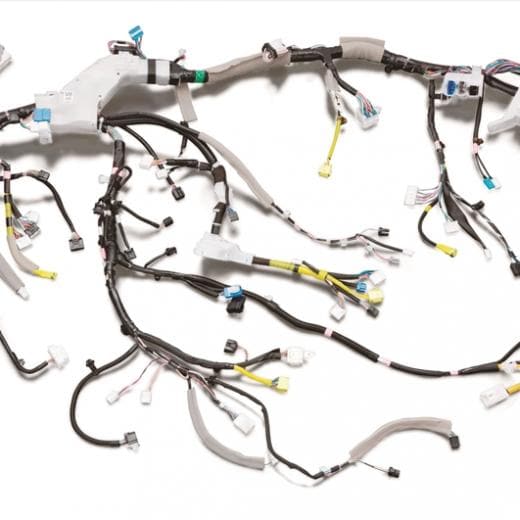
The wiring harness in your car’s engine could be compared to the nervous system since it connects vital components to ensure everything communicates smoothly. When something goes wrong with the wiring, significant problems can pop up—or worse, leave you stranded. Here are three critical bad engine wiring harness symptoms you should know and look out for:
Misfires or Hesitation
One of the most recognizable symptoms of a bad engine wiring harness is misfiring or hesitation when accelerating. The wiring harness is crucial for carrying signals between the control unit and components like the ignition and fuel injection systems. If damaged or corroded wires block those signals, the engine might not fire properly.
What to look for:
- A jerky feeling when pressing the accelerator
- Irregular RPMs while driving
- Loss of power during acceleration
Why it happens:
Damaged wires or loose connections in the harness could cause weak or intermittent signals, which can cause misfires or hesitation. If ignored, this issue can be frustrating and may result in more serious engine damage.
Hint: If you experience this, have your vehicle’s wiring harness checked for loose connections, frayed wires, or signs of corrosion.
Electrical Faults and Bad Sensors
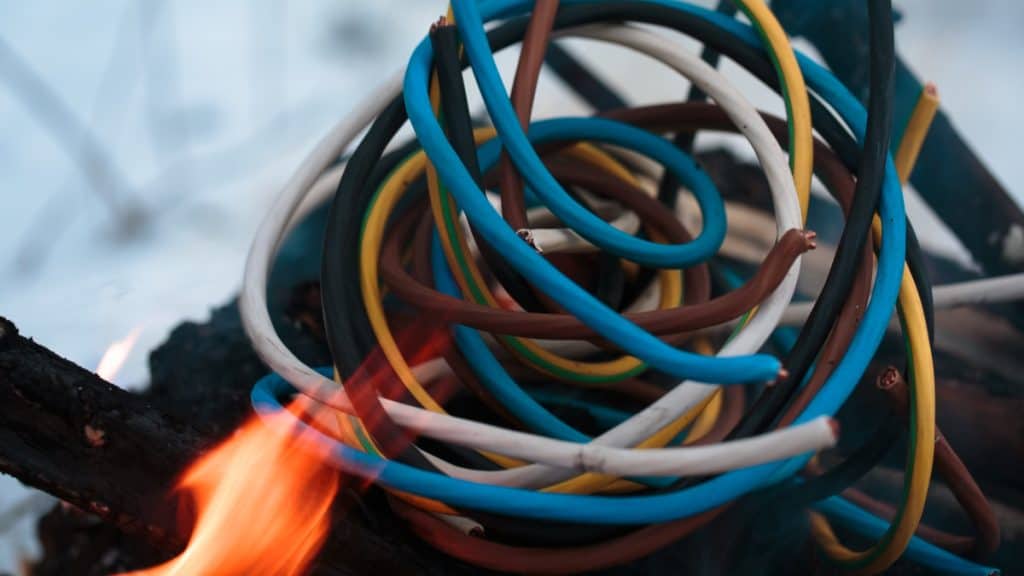
Your car’s electrical system relies on the wiring harness to transmit signals between components, including sensors. A faulty wiring harness can trigger various electrical issues, such as malfunctioning sensors or warning lights.
What to look for:
- Random dashboard warning lights, especially check engine, ABS, or traction control lights
- Unresponsive or malfunctioning sensors like oxygen or crankshaft position sensors
- Dimming or flickering headlights
Why it happens:
Damaged or corroded wires can create shorts or open circuits, resulting in inaccurate or erratic sensor readings. Your car’s control system may react to incorrect data, causing unnecessary warning lights or other electrical problems.
Tip: If multiple electrical components start acting up simultaneously, the issue might be with the wiring harness. Inspect it for visible damage, especially around hot areas like the engine or exhaust.
Bonus Tip: If you’re wondering, why does my car smell like burning rubber, a damaged wiring harness near heat-intensive areas (like the exhaust manifold) could be to blame. Melting insulation or shorted wires might create a rubbery odor, signaling the need for immediate inspection.
Car Won’t Start or Stalls Frequently

A failing wiring harness can cause severe issues when starting the car or even lead to stalling while driving. The harness supplies power from the car battery to the starter motor and fuel pump.
What to look for:
- Difficulty starting the car or needing multiple tries to get the engine going
- The vehicle suddenly shut off while driving
- Intermittent starting problems, where it works fine one moment but won’t start the next
Why it happens:
Faulty wiring may not provide consistent power to crucial components. Loose or broken connections in the harness can cause the engine to shut off unexpectedly or make it hard to start the car in the first place.
Tip: If your car stalls or struggles to start, inspect the wiring harness immediately. Ignoring this problem could lead to more serious issues, like being stranded with a car that won’t start.
Do Not Overlook the Signs of a Defective Engine Wiring Harness
Your engine wiring harness plays a key role in keeping your car running smoothly. If you notice any of these symptoms—misfires, electrical issues, or frequent stalling—don’t wait for the problem to get worse. A damaged wiring harness can lead to expensive repairs and even more severe engine problems. Make sure to have your car checked by a professional as soon as possible to prevent further damage.
Catching these symptoms early can save you from many headaches—and costly repair bills—down the road!