Skip to content

Over the decades, the role of mechanics has dramatically transformed. Once reliant on wrenches and intuition, today’s mechanics must master advanced diagnostic tools, computerized systems, and ever-evolving vehicle technologies. This shift has redefined the skill set of automotive professionals and revolutionized the entire industry.
The Role of Mechanics in the Past
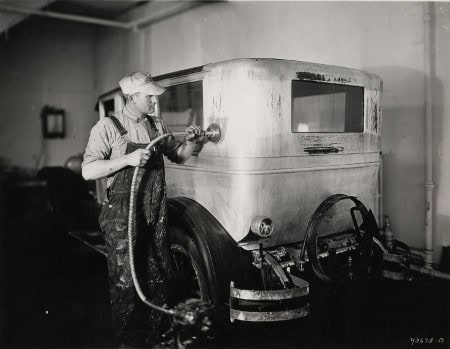
In the early days of the automotive industry, mechanics relied heavily on hands-on problem-solving. Vehicles were purely mechanical, with straightforward systems like carburetors and basic electrical wiring. Troubleshooting was tactile, involving careful inspection and a deep understanding of mechanical components.
The tools of the trade were simple yet effective: wrenches, screwdrivers, mechanical gauges, and occasionally a voltmeter. Repairs often centered on physical parts like belts, gears, and spark plugs. While this era demanded precision, it lacked the complexity seen in today’s vehicles.
Cars in the past were also more accessible for enthusiasts and hobbyists. Anyone with a basic understanding of mechanics could work on their own vehicle without needing expensive tools or software. This accessibility fostered a strong DIY culture, allowing people to learn and improve their skills hands-on.
The Role of Technology in Modern Mechanics
Modern vehicles are vastly different, equipped with integrated electronic systems and sophisticated computer networks. This evolution has transformed the mechanic’s toolkit and required new skills.
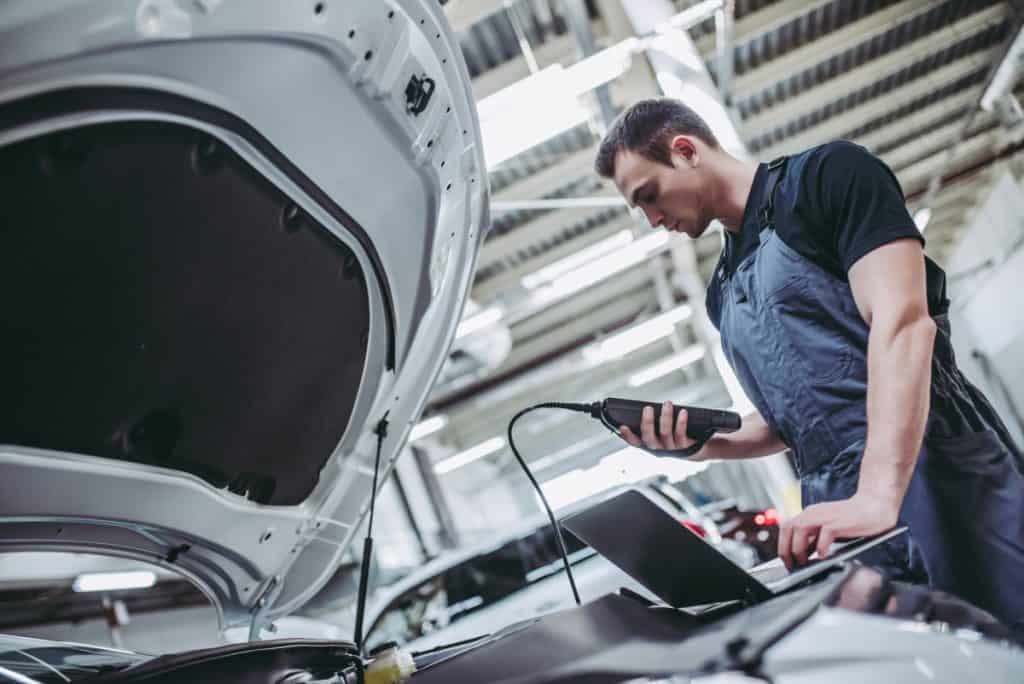
Advanced Diagnostic Tools Mechanics now rely on tools like OBD2 scanners and advanced diagnostic systems to identify problems. These devices connect to a vehicle’s onboard computer and provide real-time data on performance, fault codes, and system health. This shift has improved the speed and accuracy of diagnostics, reducing repair times and enhancing customer satisfaction.
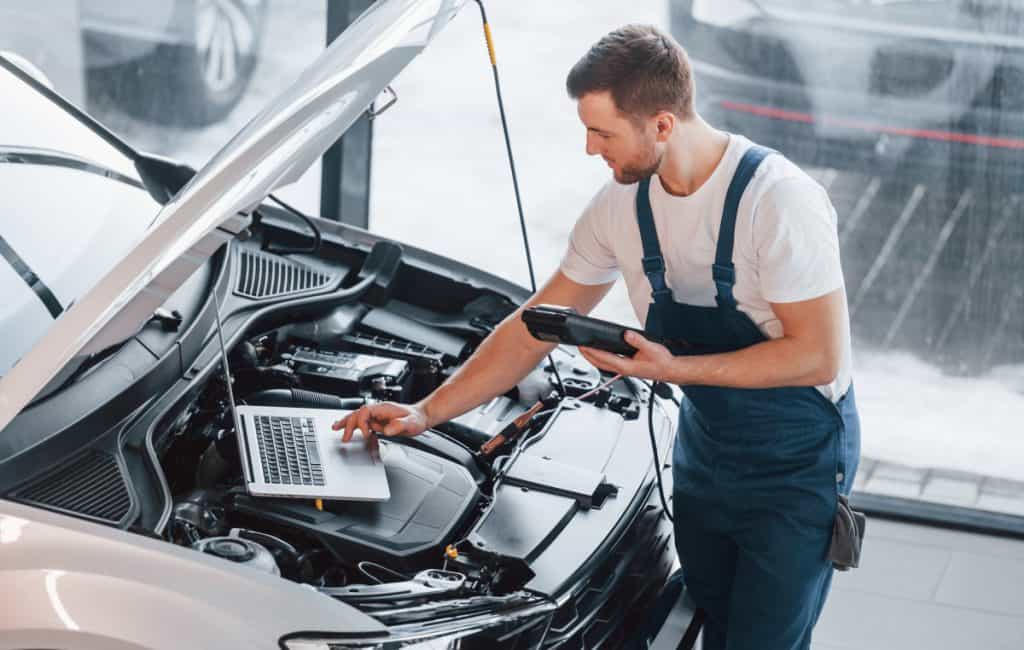
Integrated Electronic Systems Most modern vehicles feature Electronic Control Units (ECUs) that manage various functions, from engine performance to infotainment. To effectively service these systems, mechanics must understand both hardware and software. This requires familiarity with coding, system recalibration, and firmware updates—a far cry from the hands-on repairs of the past.
The Barriers to Entry for New Mechanics
Unlike the past, where almost anyone could pick up automotive repair as a hobby, modern vehicles require specialized tools and software, often with proprietary restrictions. Many automakers have implemented subscription-based diagnostic software that costs thousands of dollars annually, making it harder for independent mechanics and newcomers to enter the industry.
Additionally, specialized equipment such as manufacturer-specific scan tools and reprogramming devices further increases the financial burden. This shift has made it more difficult for enthusiasts and aspiring mechanics to gain hands-on experience without significant investment in professional-grade tools and education.
The Impact of Electric and Hybrid Vehicles
The rise of electric and hybrid vehicles has made the mechanic’s role even more complex. Unlike traditional combustion engines, these vehicles operate on high-voltage electrical systems and rely heavily on battery management systems.
Specialized Knowledge Mechanics servicing electric vehicles (EVs) must understand high-voltage safety protocols, the intricacies of lithium-ion batteries, and regenerative braking systems. This requires specialized training and certification, as improper handling of these components can pose significant risks.
Emerging Challenges EV repairs often involve proprietary software and tools, limiting independent mechanics’ ability to service specific models. Additionally, the relative novelty of EV technology means fewer professionals have extensive experience in this area, creating a skills gap that the industry must address.
Opportunities Despite these challenges, the shift toward electric vehicles presents exciting opportunities. As EV adoption grows, so does the demand for technicians skilled in maintaining these cutting-edge vehicles. Mechanics who invest in EV and hybrid systems training can position themselves as leaders in this evolving field.
Continuous Learning in the Automotive Industry
The rapid pace of technological innovation in the automotive world necessitates lifelong learning for mechanics. Staying current with advancements is critical for providing effective service and maintaining competitiveness.
Ongoing Education: Today’s mechanics often pursue certifications, such as those offered by the National Institute for Automotive Service Excellence (ASE). These programs cover EV repair, advanced diagnostics, and system recalibration. Additionally, online learning platforms and technical workshops help professionals stay updated on the latest tools and techniques.
Adapting to Industry Trends: From using apps that streamline workflow to leveraging cloud-based systems for tracking repairs, mechanics integrate technology into every aspect of their work. This adaptation improves efficiency and enhances the customer experience by providing transparency and faster service.
Key Comparisons Between Then and Now
| Aspect | Then | Now |
|---|---|---|
| Tools | Basic hand tools | High-tech diagnostic tools |
| Vehicle Complexity | Purely mechanical systems | Complex electronics & software |
| Skills Required | Hands-on mechanical work | Mechanical + software expertise |
| Accessibility | Anyone could learn & repair | Requires expensive tools & training |
| Customer Expectations | Simple repairs, slower service | Faster, tech-driven diagnostics |
Technology Shaping the Future of Mechanics
The evolution of the mechanic’s role is far from over. As vehicles become increasingly automated and electric, the need for highly skilled professionals will continue to grow. To stay relevant in this dynamic industry, mechanics must embrace continuous learning and adapt to new technologies. While the challenges are significant, the opportunities to innovate and excel are greater than ever.
Resources
- https://www.torque360.co/blog/digital-auto-technology-is-changing-auto-repair-business/
- https://www.enostech.com/the-role-of-technology-in-auto-mechanics-how-its-changing-the-industry/
- https://ptt.edu/the-technological-advancements-driving-the-need-for-skilled-automotive-technicians/
- https://apexschool.com/toolbox/future-of-mechanics-and-auto-technology-innovation/