Skip to content

The Electric Revolution: Moving Fast, But Still a Long Way to Go
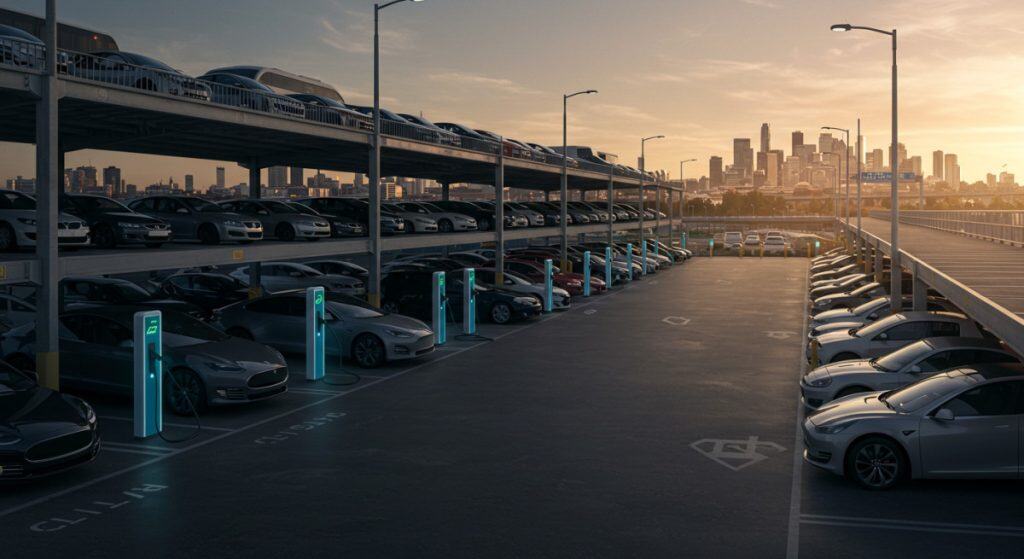
Electric cars feel like they’re everywhere these days. Walk through any parking lot and you’ll spot a few Tesla charging ports or hybrid badges. Global EV sales hit 22% of new vehicles in 2025, which sounds pretty impressive. The EU locked in that 2035 ban on new gas cars, and other countries are setting their own deadlines.
But step back and look at the bigger picture. Only about 4% of all the cars actually driving around are electric. The shift in new car sales is real, but it’s going to take years for all those older gas cars to work their way out of the system. Plus, sectors like buses and trucks are still playing catch-up. There are around 600,000 electric buses on the road globally—most of them in China, where cities like Shenzhen made headlines for becoming the first to fully electrify their bus fleets.
Long-haul freight? Still pretty much married to diesel, though California’s recent ban on sales of new diesel big rigs by 2036 is already pushing logistics firms to start testing alternatives.
So yeah, momentum is definitely building. But there’s still a long road ahead.
Public Transit Gets a Makeover
Cities aren’t just sitting around waiting for everyone to buy electric cars. Public transportation is getting a quiet but significant upgrade.
In India, the massive Delhi Metro expansion now connects more than 390 kilometers of the city, making it one of the largest in the world. Meanwhile, Nairobi is rolling out its first Bus Rapid Transit system, designed specifically for electric buses. It’s a landmark move in East Africa and a big step toward cleaner commuting in developing cities.
COVID absolutely hammered ridership, but things are bouncing back. Digital upgrades help too—real-time arrivals, mobile ticketing, even Wi-Fi on buses. In Santiago, Chile, a fleet of over 1800 electric buses now runs on renewable energy, making it one of the greenest public systems in the world.
These aren’t experimental pilot programs anymore. They’re just part of how cities work now.
Rediscovering Feet and Bikes: Why Walking Became Cool Again
Something interesting happened during the pandemic. Cities emptied out, traffic disappeared, and people started walking and biking way more. The surprising part? A lot of those changes stuck around even after things opened back up.
Paris removed 72% of its on-street parking to make space for sidewalks, trees, and protected bike lanes. It wasn’t just talk—Mayor Anne Hidalgo’s aggressive “15-minute city” policy turned major roads into pedestrian zones and turned the city into a global model.
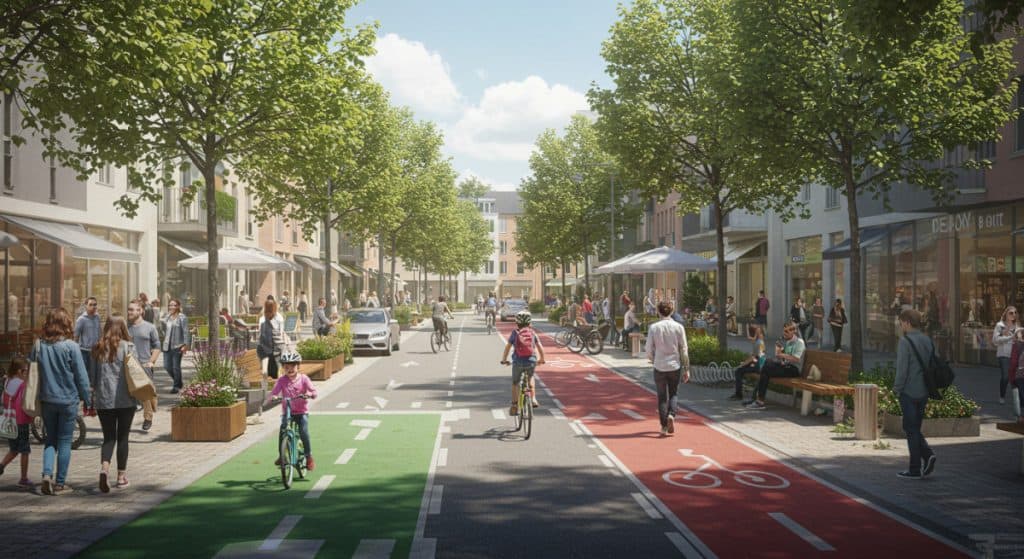
London introduced Low Traffic Neighborhoods and saw bike use surge by over 60%. In Milan, officials quickly turned 22 miles of streets into bike and pedestrian corridors during lockdown, and kept them that way.
Copenhagen now has more bikes than cars on the road. Amsterdam’s been there for decades. These aren’t temporary changes—they’re cultural ones. Turns out when streets feel safer and more pleasant, people actually want to walk or ride.
When Batteries Hit Their Limits: The Search for Plan B
Not everything can run on batteries. Airplanes, cargo ships, long-haul trucks push right up against what lithium-ion can actually do. That’s where alternative fuels come into play.
In Chile, the Haru Oni pilot plant began producing synthetic e-fuels using wind energy and captured carbon dioxide—a partnership between Siemens and Porsche aimed at powering high-performance engines without fossil fuels.
Hydrogen has its place, too. South Korea is investing billions into hydrogen infrastructure, aiming to have 6 million hydrogen vehicles on the road by 2040. In California, hydrogen fuel cell trucks are already in limited use at the ports of Los Angeles and Long Beach to reduce emissions from freight traffic.
There’s no perfect solution yet. Just a bunch of promising ideas that each solve part of the puzzle.
Smart Cities, Smarter Traffic: How Tech Is Actually Helping
Mobility isn’t just about what you drive. It’s also about how cities manage the flow of everything moving through them.
Pittsburgh is using AI to manage more than 50 intersections, reducing travel time and emissions in congested corridors. In Hangzhou, China, the city partnered with Alibaba to build a cloud-based traffic system that adjusts signals, routes buses, and even communicates with delivery services.
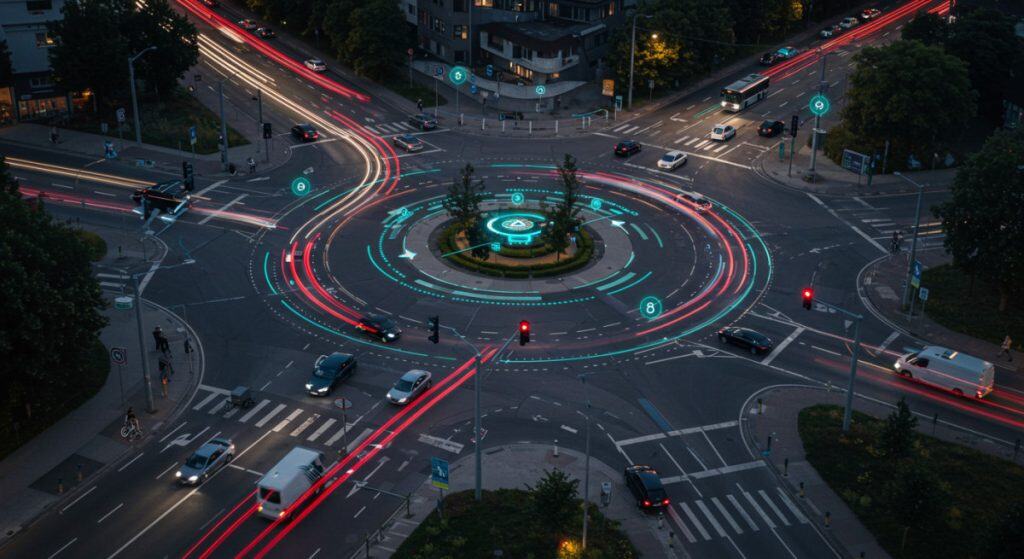
Singapore’s congestion pricing, in place since 1975, now operates with satellite tracking. It’s one of the earliest and most successful examples of technology managing traffic demand before it happens.
Even truck fleets are experimenting with platooning, where vehicles travel in tight formations controlled by software to save fuel and reduce drag. These are quiet shifts that make existing systems work better—not by tearing them down, but by upgrading their brains.
Making Sure the Green Transition Doesn’t Leave People Behind
There’s a real risk in all this progress. If clean mobility is only accessible to people with money, it’s not really progress at all.
Luxembourg made headlines when it became the first country to make public transportation completely free—for everyone. Vienna followed suit in a different way, offering a €365 annual transit pass (just €1 a day) that’s helped maintain high ridership and low car use.
But even high-tech solutions need to work for everyone. In Los Angeles, bike-share systems were redesigned to accept transit cards instead of just smartphones after equity audits found the digital gap was leaving out large communities.
Equity isn’t just a buzzword. It’s what makes sustainable mobility actually sustainable.
The Culture Shift: When Not Owning a Car Becomes Normal
There was a time when getting your driver’s license felt like the most important day of your teenage life. That’s changing, especially in cities.
More young adults are skipping licenses altogether. In Tokyo, car ownership is seen more as a burden than a milestone. In the U.S., Gen Z is showing lower licensing rates than any previous generation. Car-sharing, biking, working remotely—it’s all reshaping what mobility means.
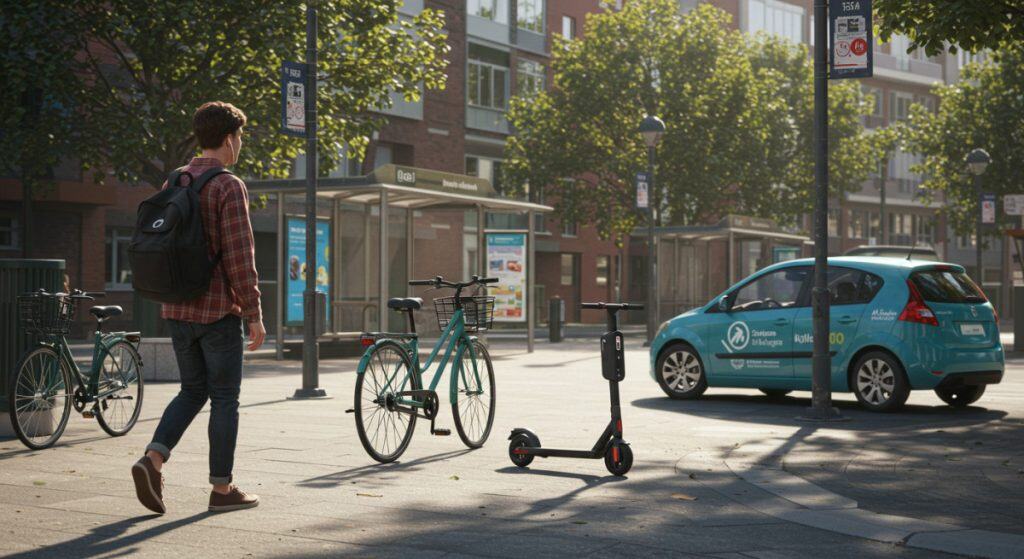
Some of that came from necessity during the pandemic. But for a lot of people, it became a choice that stuck. In cities like Berlin or New York, not owning a car is often easier than owning one.
That vision isn’t everywhere yet. There’s still a gap between urban and rural areas. Between what policies promise and what reality delivers. But in more and more places, owning a car is starting to feel optional, not essential.
Reality Check: How Close Are We Actually?
The International Energy Agency has laid out pretty clear targets for climate-friendly mobility. Global EV sales are mostly on track. Public transit is recovering. Alternative fuels are slowly gaining ground.
But aviation, freight, and widespread change in lower-income countries remain serious hurdles. Promising technologies and policies are in place, but scaling them up—fairly and fast—is the real test.
So where are we, really? Probably at the end of the beginning.
The next ten years will determine whether this movement stays a niche for early adopters or becomes the new normal. It’s not just about cutting emissions. It’s about rethinking how we live, what we prioritize, and how we connect our cities, people, and lives.