 Skip to content

The Touchscreen Takeover: When Everything Becomes Way Harder to Do
Touchscreens seemed like such a good idea at first. Get rid of all those buttons and knobs cluttering up the dashboard. Just one sleek screen, like having a giant tablet in your car. Clean, modern, fancy looking.
Turns out driving isn’t the same as using your phone on the couch. There’s no time to stare at a screen, hunt through menus, or tap around just to turn up the heat or skip a song. And unlike real buttons, you can’t feel touchscreen controls. No way to know if you hit the right spot without looking.
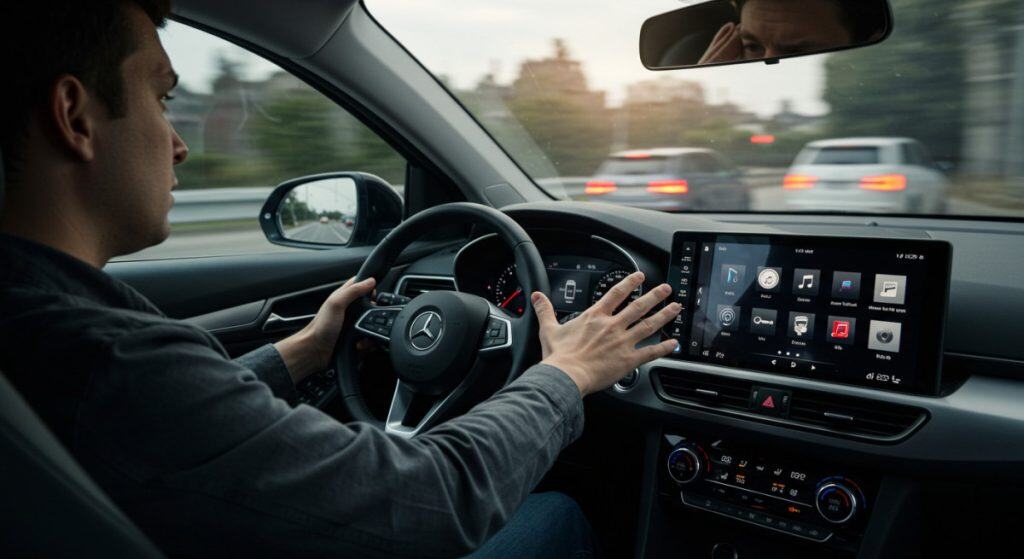
That difference is bigger than most people realize. Some studies in the UK found that drivers using touchscreens were looking away from the road long enough to travel 200 feet. Two seconds doesn’t sound like much until you think about what can happen in two seconds at highway speeds.
Car companies are starting to figure this out. After enough customer complaints, some are bringing back actual knobs and buttons. Not everywhere yet, but it’s happening. Maybe having a screen for everything wasn’t such a brilliant idea after all.
Your Phone Moves Into Your Car (And Brings All Its Baggage)
CarPlay and Android Auto were supposed to solve the phone distraction problem. In some ways, they did. Apps are easier to use, buttons are bigger, and voice control works better than it used to.
But the phone didn’t go away. It just found a new home on the dashboard. Notifications still pop up. Text messages still come through. There’s this weird psychological thing where if it’s built into the car, it must be safer, right?
That’s where things get tricky. Hands-free is definitely better than trying to text while driving. But even hands-free calls mess with your focus. Your brain is having a conversation instead of paying full attention to the road. That split attention, even for a few seconds, can make all the difference.
The phone got smarter about living in the car. But it also got sneakier about stealing attention.
When Your Car Drives Itself (Kind Of): The Weird Attention Problem
Driver assistance stuff is pretty amazing when it works. Lane keeping, adaptive cruise control, systems that can steer through gentle curves. The technology is real and genuinely helpful.
But there’s this strange side effect. The more the car does for you, the less engaged you feel. That’s where things get dangerous. Not because the tech fails, but because people start assuming it’s always got everything handled.
Tesla’s Autopilot is probably the most famous example. It can handle highway driving pretty well, but it still needs you to keep your hands on the wheel and eyes on the road. The problem is, it doesn’t always feel that way. Some people push it way beyond what it’s designed to do.
There’s actually a term for this: automation complacency. Basically, when you rely on automated systems so much that your attention starts to drift. Response times get slower. Mind wanders further than it should.
Some systems try to fight this with warnings and alerts. Beeps when a collision might happen, and it alarms if your hands leave the wheel too long. When they work, they’re genuinely helpful. But relying on them too much can create the exact opposite problem they’re meant to solve.
Your Brain on Multitasking: Spoiler Alert, We’re Terrible at It
Multitasking feels productive. Like you’re getting more done. But the human brain doesn’t actually multitask. It switches back and forth between tasks really fast, losing a little something each time it switches.
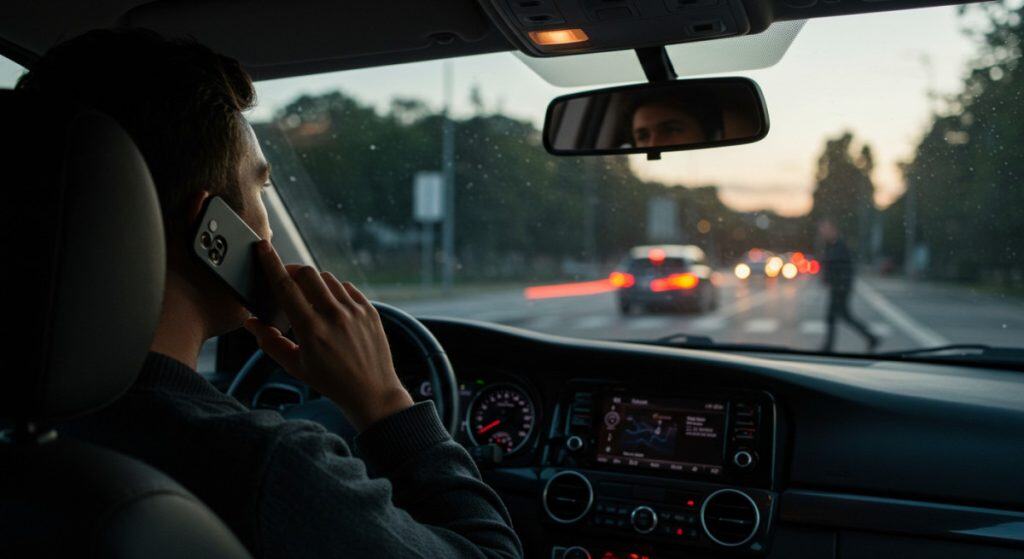
Driving while talking on the phone, even hands-free, doesn’t work as well as people think. Studies show that drivers miss red lights, react slower, and perform about as poorly as if they were legally drunk. That’s sobering.
Then there’s this thing called inattention blindness. Sounds contradictory, but it happens all the time. You can be looking straight ahead and still completely miss something important. A pedestrian, a stop sign, the car in front of you suddenly hitting the brakes. Your eyes are open, but your brain is somewhere else.
Once that moment’s gone, there’s no getting it back.
The Numbers Are Pretty Scary
Distracted driving plays a role in 8 to 10 percent of fatal crashes. That’s not a small number. And it’s not just phones. Some infotainment tasks take up to 40 seconds to complete. Nearly a full minute of not paying full attention to driving.
NHTSA has guidelines for how long drivers’ eyes should be off the road. Not all car companies follow them. Even when they do, it’s not consistent across all their models.
The weird part is that most people know this stuff is risky. Surveys indicate that drivers recognize the dangers of distracted driving. They get it intellectually. But then they do it anyway, maybe because the tech is right there. Maybe because it doesn’t feel dangerous at the moment.
Until something happens.
The Good Stuff: When Tech Actually Helps
Not all car technology makes things worse. Some features genuinely help with attention and safety.
Heads-up displays keep important information right in your line of sight. Simplified driving modes reduce menu clutter and options. Driver monitoring systems use cameras to watch where you’re looking and give you a heads-up when your attention drifts.
Automatic emergency braking is probably one of the best safety features to come along in years. It doesn’t replace paying attention, but it helps when attention slips for just a moment. A last line of defense when everything else fails.
These features don’t encourage you to zone out. They do the opposite. They help bring your focus back to driving, not with more screens or alerts, but by being smarter about the tech that’s already there.
Finding the Right Balance
No need to be afraid of every new car feature. But probably smart to be thoughtful about how to use them. Same caution you’d apply to your phone should apply to car touchscreens. Use voice commands when you can. Set up music and navigation before you start driving. Let some notifications wait until you’re parked.
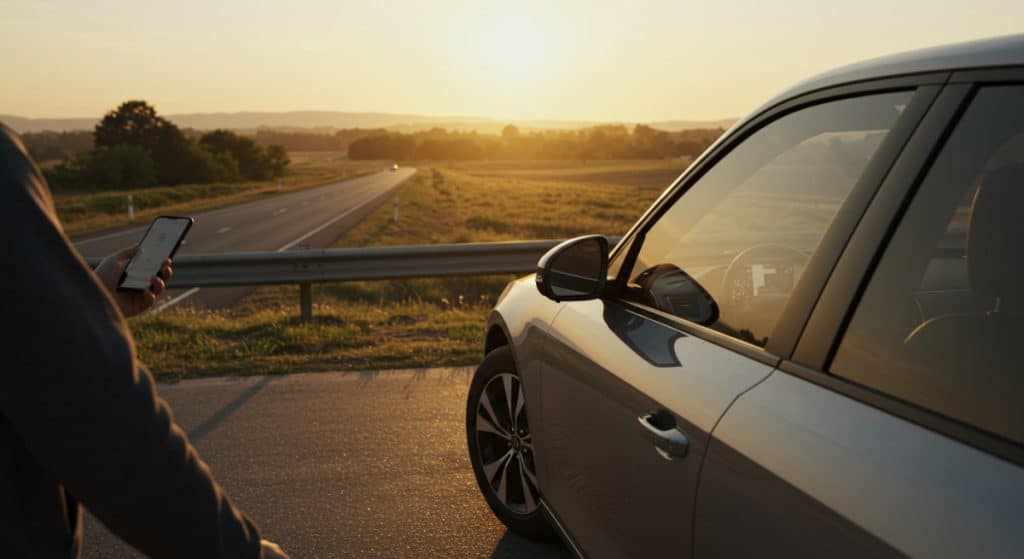
Personal rules help. No messing with apps while moving. Nothing that takes more than a quick glance. If it can’t be done safely, maybe it can wait.
Car companies have responsibility here too. Design choices matter. Clear menus, physical buttons for important stuff, smart defaults. These things help way more than flashy gimmicks.
At the end of the day, you’re still controlling a couple of thousand pounds of metal moving at high speed. No matter how smart the car gets, that basic fact doesn’t change. The stakes are real. Worth keeping that in mind.




A dozen years ago I witnessed a tragic accident in which a cell-phone user drove her car into a pedestrian. The driver stopped, called 911 and cried “I did not see the girl” and “Oh my god I hit her”. This started a long series of discussions here in Chapel Hill, which passed the first anti-distraction law in the U.S. It was challenged in court, and finally the NC Supreme Court ruled that only the legislature and not a town can pass a law that regulated the use of cell phones by drivers.
I am an electrical engineer. We have a motto: KISS for “Keep it simple stupid”. With each added complexity to a car, distractions go up and accidents do too. Car companies see profits over safety.
Every State most certainly has its own anti-distraction laws. Here in Georgia, we’re not allowed to have both earbuds only one which makes sense. I agree that technology in vehicles is simply becoming too much. Having to cycle through menus and submenus is dangerous and distracting, whereas before we were able to click a simply physical button. In my older car, I memorized my climate control to the point where I don’t even have to take my eyes off the road. The same can’t always be said about modern vehicles with giant infotainment dashboards.