Skip to content

The SUV Craze Isn’t for Everyone
SUV dominates showrooms and driveways across the United States. They offer real advantages in space, visibility, and capability. But not every driver actually needs all that.
For some people, all that size, weight, and gas consumption might just be more of a hassle than help. Here are signs a sedan might be the smarter and even more enjoyable choice.
1. Most Driving Happens Alone or with One Passenger
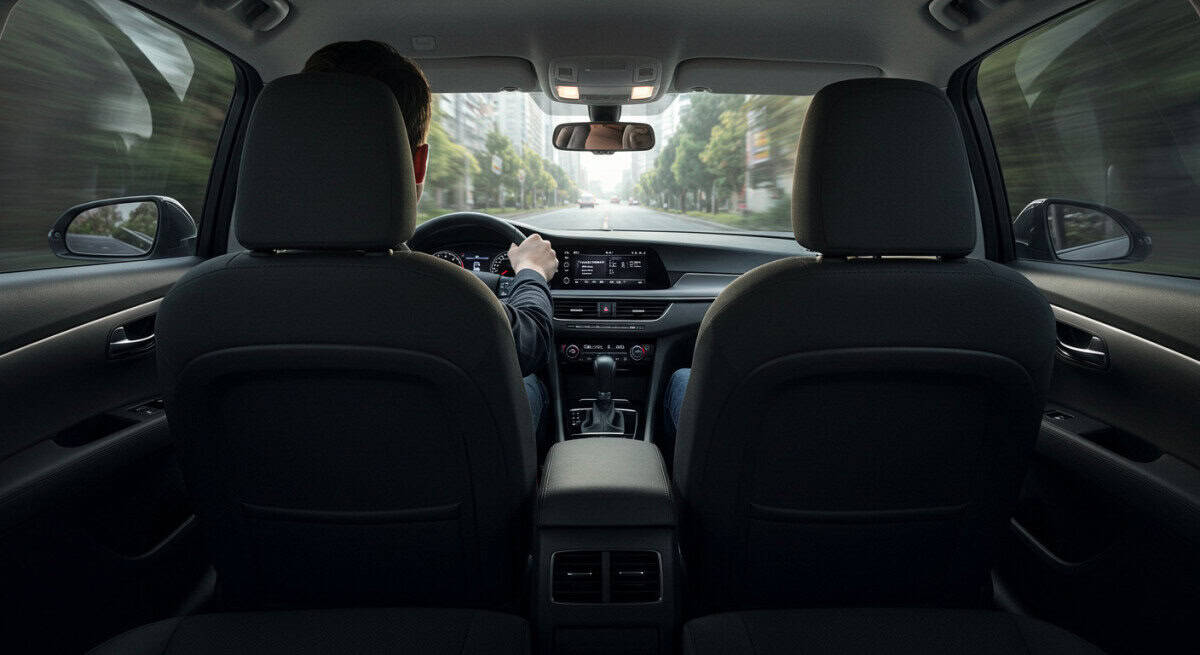
If the back seat rarely sees action, a five or seven-seater SUV becomes more space than function. Those empty seats represent weight and bulk that serve no purpose most days.
Sedans offer more than enough room for solo drivers or couples, often with better fuel efficiency and handling. Many modern sedans provide surprisingly generous legroom up front, with interiors designed for driver comfort rather than maximum occupancy.
2. Parking Feels Like a Chore
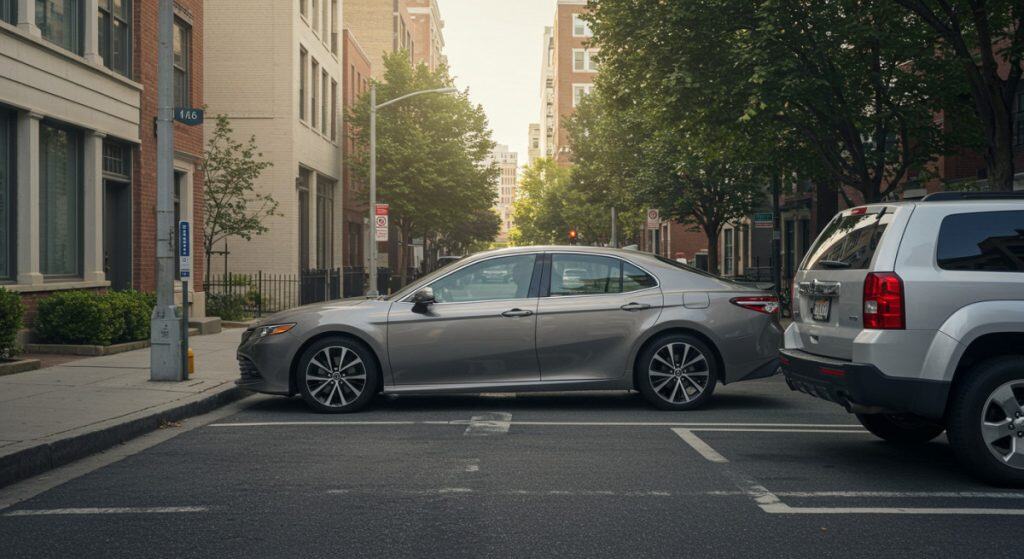
Tight city streets, crowded parking garages, narrow driveways, and bigger vehicles bring bigger headaches. The average parking space hasn’t grown, but vehicles certainly have.
Sedans are easier to park, quicker to maneuver, and less likely to invite curb rash. The ability to slip into compact spaces or parallel park without breaking a sweat might seem minor until doing it becomes a daily struggle.
3. Fuel Costs Keep Creeping Up
SUVs generally weigh more and burn more fuel, even the smaller ones. That extra height and bulk come with aerodynamic penalties and additional weight that impact efficiency.
For long commutes or regular errands, a sedan’s lighter footprint can make a real difference at the pump. A 5-8 mpg improvement might not sound dramatic until calculated across thousands of miles and years of ownership.
Hybrids and plug-in sedans can stretch that savings even further. The most efficient hybrid sedans now approach or exceed 50 mpg combined, a figure few SUVs can match.
4. Off-Road Isn’t Really Part of the Plan
All-wheel drive and raised suspensions are great, but how often do they actually get used? Many SUVs never encounter anything more challenging than a gravel driveway or snowy parking lot.
If the vehicle never leaves pavement, sedan ride height and dynamics are often better suited to everyday roads. Lower centers of gravity translate to more stable handling and often better accident avoidance capabilities.
Modern sedans with snow tires handle winter conditions better than many SUVs on all-season tires, challenging the notion that height equals capability.
5. The Cargo Area Is Mostly Empty
SUVs have impressive cargo space, but a lot of it goes unused for many drivers. That occasional trip to the garden center or big-box store might not justify the everyday compromises.

If the trunk of a sedan meets 95% of daily needs, upgrading for that extra room might not be worth the tradeoffs. Many sedans offer folding rear seats and surprisingly accommodating trunks that handle most errands with ease.
For the rare occasions when more space is needed, rental options or delivery services often cost less than the premium paid for an SUV.
6. Ride Comfort Actually Matters
Sedans generally ride lower, handle better, and offer a smoother experience on highways and city roads. Their design prioritizes on-road dynamics rather than theoretical off-road capability.
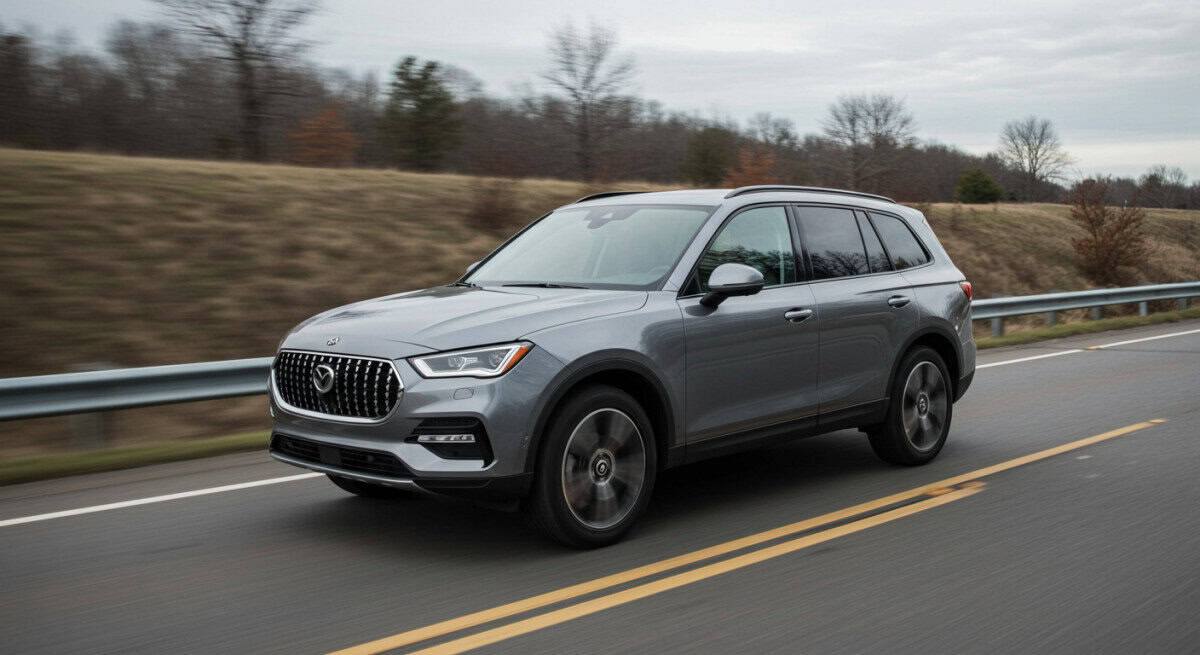
Taller vehicles can feel floaty or bouncy by comparison, especially when unloaded. The higher center of gravity that helps on rough terrain can create a disconnected feel on smooth pavement.
For those who value a quieter cabin and less body roll, sedans often deliver more refinement. The structural advantages of a lower vehicle can result in fewer squeaks, rattles, and wind noise at highway speeds.
7. Budget Is a Major Factor
SUVs often cost more to buy, insure, and maintain. The price premium extends beyond the purchase price to ongoing expenses throughout the ownership period.
Even entry-level crossovers come with a price premium compared to similarly equipped sedans. Comparable models from the same manufacturer typically show a $2,000-5,000 advantage for sedans.
That difference could go toward tech upgrades, safety features, or just be saved. Premium audio, advanced driver assistance, or leather seating might be affordable in a sedan, but push an SUV beyond budget comfort.
Bigger Isn’t Always Better
SUVs offer real benefits, but they’re not the default best choice for everyone. The vehicle type that dominates marketing doesn’t necessarily match every lifestyle.
If most driving is on-road, with light cargo and fewer passengers, a sedan might just be the more comfortable, affordable, and practical option. The right-sized vehicle brings daily advantages in handling, efficiency, and overall enjoyment.
Matching the vehicle to real needs, not just trends, can lead to a more satisfying ownership experience. Sometimes the smarter choice is the one that fits your life rather than the one that fills your driveway.