Skip to content

Muscle cars have always been about presence. Big engines. Bold sounds. Rear tires that leave streaks long after the car is gone. But the muscle car experience has evolved, starting out raw and rebellious in the 60s and 70s and becoming more refined and faster in the modern era.
Today, we’re digging into that evolution. What changed, what stayed true, and which era delivered the better overall package?
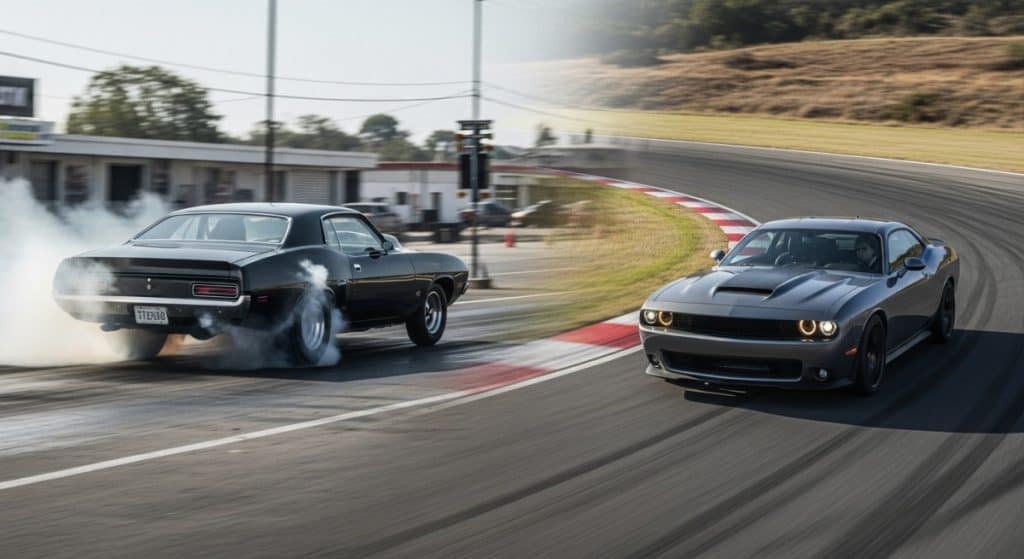
This isn’t just nostalgia versus numbers. It’s about what matters to real drivers—feel, performance, ownership, and everything in between.
What Do We Mean by “Classic” and “Modern”?
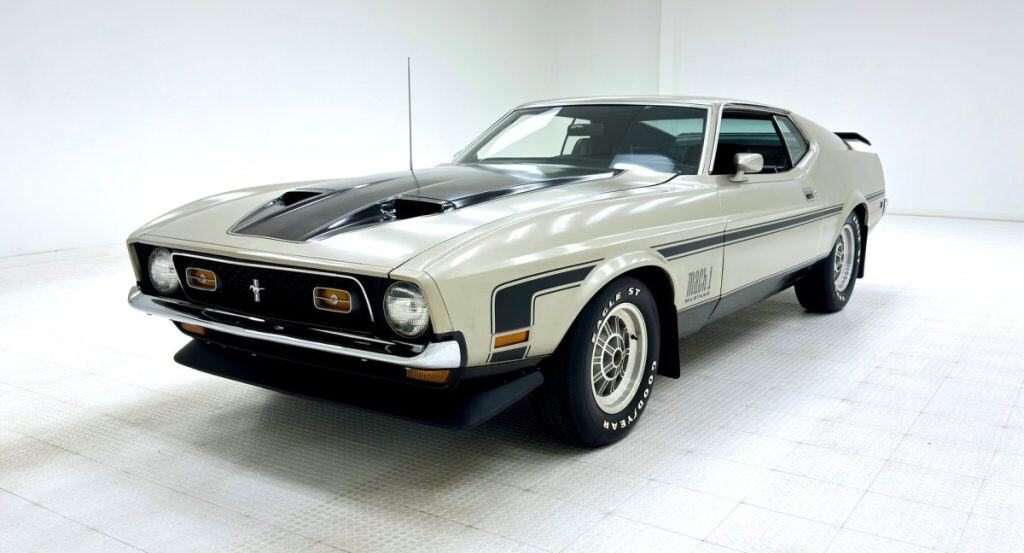
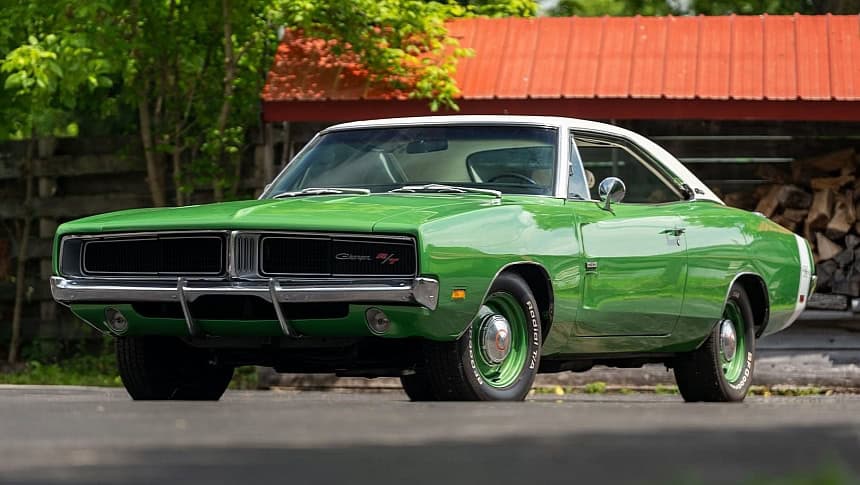
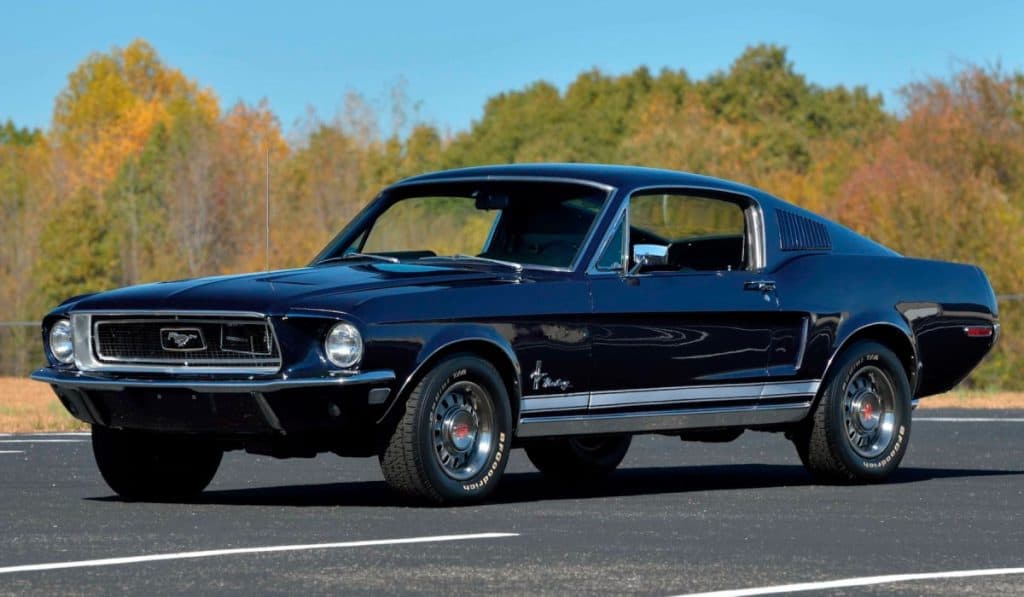
For this comparison, “classic” generally refers to muscle cars from the late 1960s to early 1970s. Think: 1970 Chevelle SS 454, 1969 Dodge Charger R/T, 1971 Mustang Mach 1. These were the big-block bruisers that built the genre.
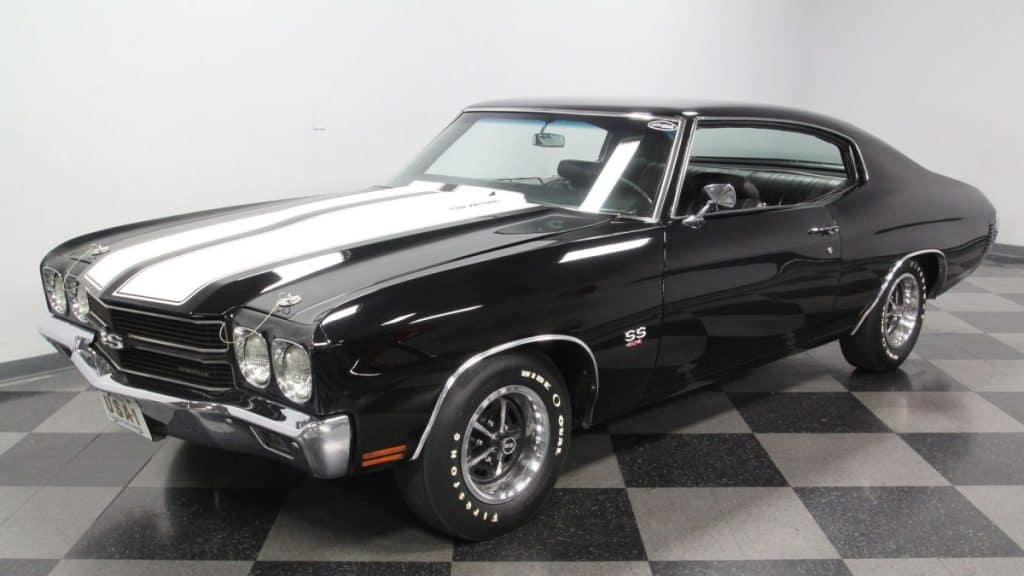
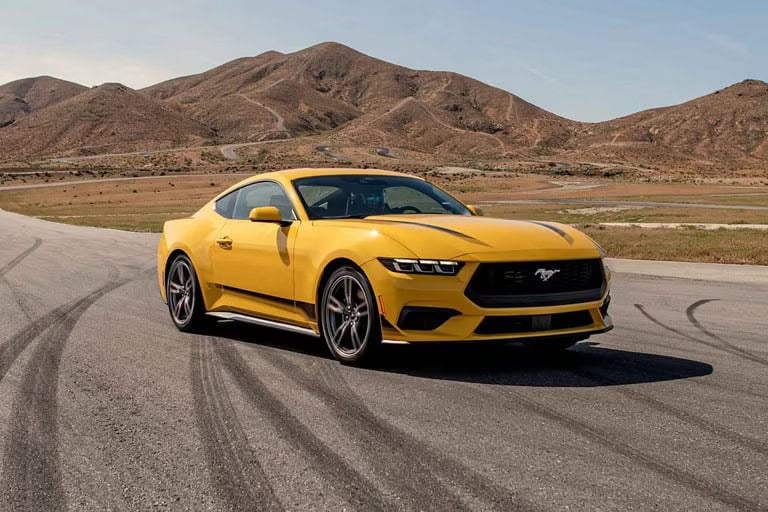
“Modern” covers roughly the mid-2000s to today, including Mustang GTs from the S197 and S550 generations, sixth-gen Camaros, and Dodge Challengers and Chargers with HEMI power. This era brought muscle into the digital age with fuel injection, electronics, and track-ready trims.
Drawing that line matters. It’s not just styling; it’s emissions standards, tire technology, safety systems, and how these cars fit into everyday life.
Performance: Power, Braking, and Handling
Straight-Line Speed
Classics delivered massive torque and tire-shredding launches, but they were limited by bias-ply tires, three-speed automatics, and gearing made for cruising. Even the legendary 426 HEMI Challenger struggled to break into the 13s without slicks.
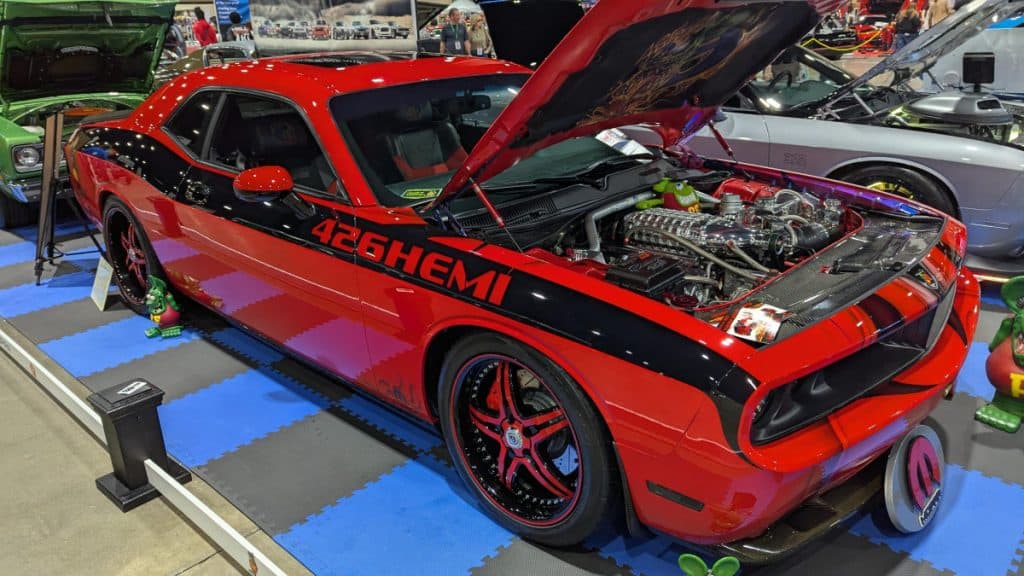
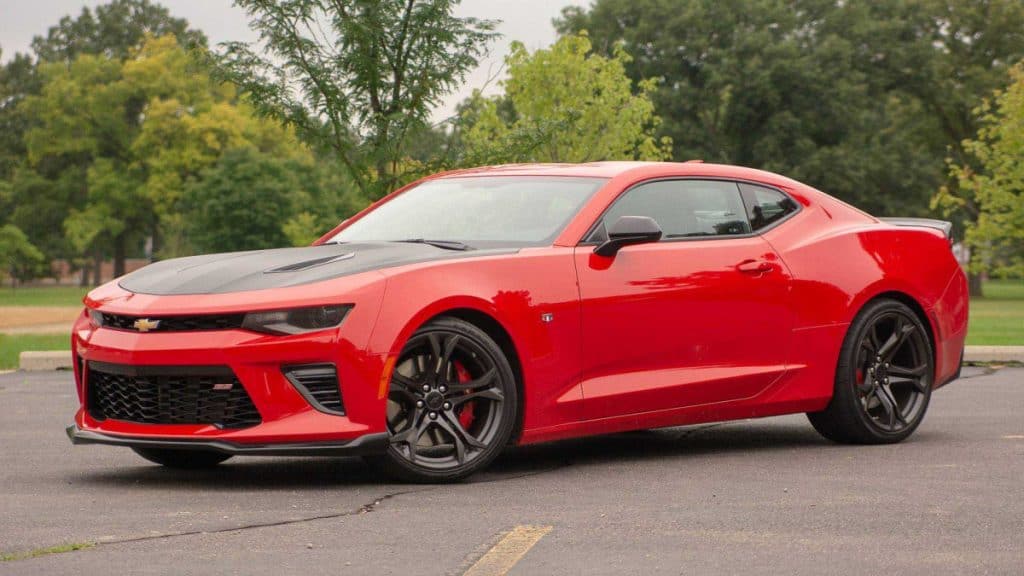
Modern muscle, by contrast, puts power down more effectively. A stock 2020 Camaro SS runs the quarter mile in the mid-12s, quicker than most classics even with half the drama. Electronic traction control, eight-speed automatics, and sticky tires all make a difference.
Braking Power
Brakes have come a long way. Classic muscle cars often relied on front discs (if that) and rear drums. Fade was real after a few hard stops.
Today’s cars come standard with four-piston calipers, vented rotors, and ABS that’s dialed in for both road and track. A 2022 Mustang GT Performance Pack will out-brake nearly any classic—stock or modified.
Handling and Control
Most classics came with live rear axles, soft suspension, and vague steering. Fun in a straight line, but not exactly nimble. Think floaty, with plenty of body roll.
Modern muscle cars, especially performance trims like the Camaro 1LE or Mustang Mach 1, bring tight chassis control, magnetic dampers, and impressive grip. Independent rear suspensions and advanced stability control make these cars legitimately capable on twisty roads or road courses.
Driving Feel and Character
This is where things get personal.
Classic muscle feels alive. The cammed idle. The mechanical noise. The slight unpredictability in every corner. There’s a certain charm to the analog experience, even if the handling isn’t precise and the connection is raw. Some enthusiasts even add straight cut gears to enhance that raw, mechanical feel — the distinct whine adds drama and a race-inspired edge to every shift.
Modern muscle is smoother, quieter, and more refined. Steering is quicker. Pedals respond instantly. But for some, that smoothness feels like a layer of distance between driver and machine. Others appreciate the confidence it brings.
Which is better? It depends on whether you want to wrestle the car or flow with it.
Sound and Soul
Few things stir emotion like the rumble of a big-block V8 through open headers. That deep, loping idle is iconic and almost impossible to replicate.
Modern engines still sound great, especially with active exhaust systems, but emissions regulations have changed the tone. A late-model Coyote V8 sings at high rpm, but it doesn’t growl the way an old-school 440 does at idle.
Still, aftermarket options abound for both. And sound design is now a serious part of OEM tuning, so credit where it’s due.
Safety and Structure
Safety wasn’t much of a concern in the 60s. Crumple zones were minimal. Seat belts were optional. Airbags didn’t exist. If you crashed in a classic, you hoped for the best.
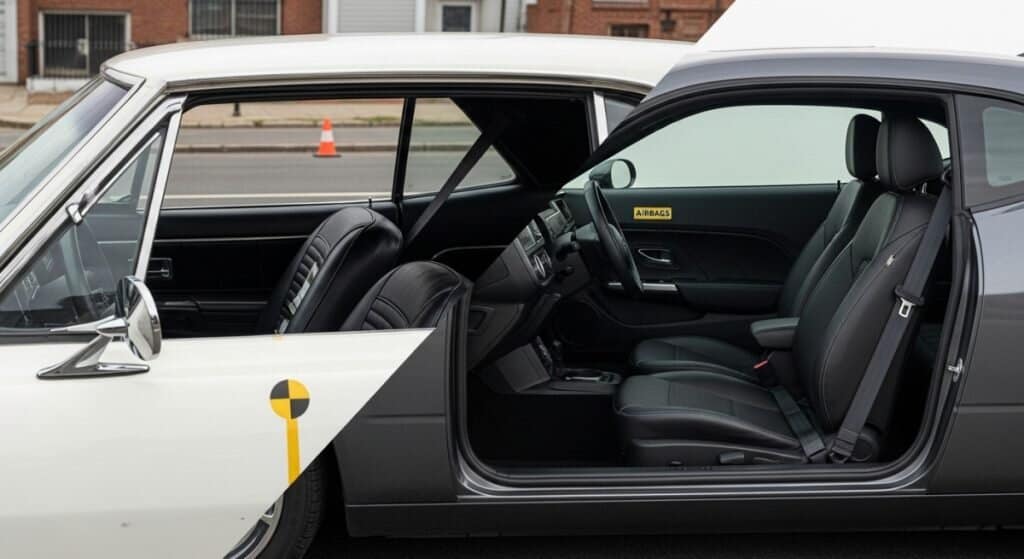
Modern muscle cars benefit from decades of crash testing and safety mandates. Advanced airbag systems, electronic stability control, and crash structures give drivers real protection. That matters if you plan to daily your muscle car or take it on long road trips.
Retrofitting safety gear into classics is possible with better belts, disc brakes, and even rollbars, but it takes time, money, and compromises authenticity.
Reliability and Maintenance
Classics are simple, but they require more attention. Carburetors need tuning. Points need adjusting. Fuel boiling can happen on hot days. Leaks are common, especially in original engines.
Modern muscle is more complex but generally more reliable. Electronic ignition, fuel injection, and advanced diagnostics make daily driving a non-issue as long as maintenance is kept up.
For weekend warriors who enjoy wrenching, a classic might feel more rewarding. But for those who just want to drive, modern wins hands-down.
Cost and Ownership Experience
Buying In
Classics have shot up in price. A clean Chevelle SS or first-gen Charger can cost as much or even more than a new Shelby GT350. Survivor cars are rare, and restored ones come at a premium.
Modern muscle is still relatively affordable. A used S550 Mustang GT or Scat Pack Challenger offers big power for under $40K. And with certified pre-owned programs, they’re easier to finance and insure.
Running Costs
Older cars require more fuel, more frequent service, and often pricier insurance. Moderns get better mileage, need fewer tune-ups, and can be driven cross-country without issue.
Still, classics often appreciate in value if kept clean and original. Most modern muscle cars depreciate—unless it’s a limited-run model.
Modding Potential
Classic Muscle
There’s something satisfying about a cam swap or carb jetting session. Swapping gears or bolting on headers can wake a classic right up. The downside? You have to balance performance with safety. Brake and suspension upgrades are often needed just to keep up with the power.
Modern Muscle
Tuning is more complex but potentially more rewarding. A simple ECU flash, intake, and long-tube headers can add big horsepower. And with forced induction, whether it’s a Hellcat blower or an aftermarket turbo, the ceiling is high. Just make sure cooling, fueling, and drivetrain strength can handle it.
Real-World Usability
Classics are fun but ask for patience. Starting on cold mornings, dealing with drum brakes in traffic, tight interiors, and no A/C are not ideal for commuting.
Modern muscle strikes a better balance. Roomy seats, Apple CarPlay, real HVAC, and big trunks make life easier. You can road trip a Challenger Scat Pack comfortably across states and still hit the drag strip when you get there.
Who “Did It Better”?
It depends.
If your goal is to feel every vibration, tune a carb by hand, and park next to something you built yourself, classics win. The emotional connection is stronger. The history, the presence, the rawness, it’s hard to fake.
But if you want performance that’s repeatable, safety you can trust, and comfort you can live with, modern muscle takes it. These cars are quicker, more capable, and far easier to own.
Want the best of both? Look into restomods. Classic shapes, modern reliability. Just be ready to pay.
Final Thoughts
The better era? It’s the one that fits you.
The one that lines up with your garage, your budget, your appetite for wrenching, and how often you actually want to drive. Both eras have soul. Both have smiles per gallon. The trick is knowing what kind of experience you want and choosing the car that gives it to you.