 Skip to content

The Country You’d Never Expect Is Crushing Everyone
Pop quiz: Which country leads the world in EV adoption? California? Germany? Tesla’s home turf?
Nope. It’s Norway. And they’re not just winning, they’re absolutely demolishing everyone else. Nearly 95% of new cars sold there are electric. Not hybrids. Full electric.
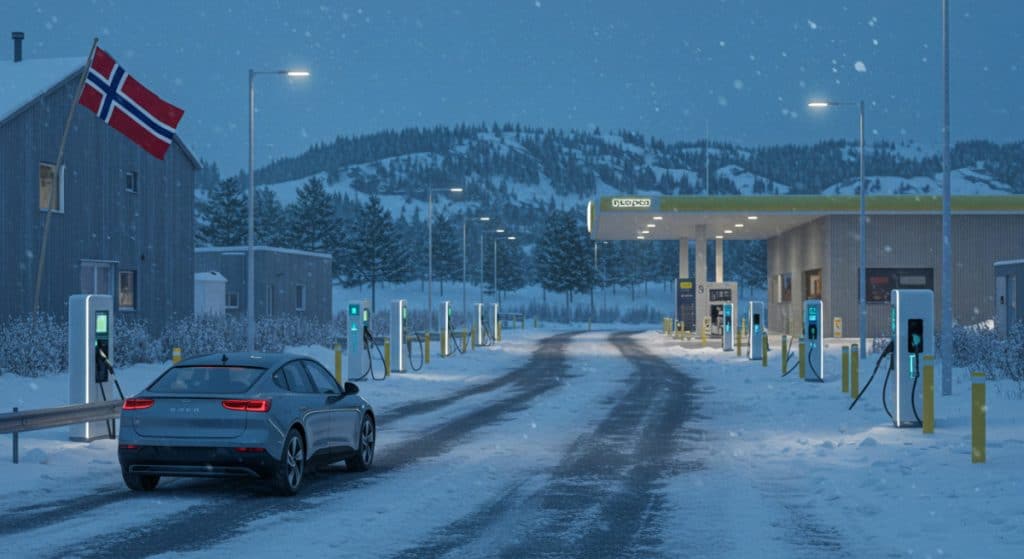
Here’s the weird part: Norway makes tons of money selling oil to other countries. But they used those fossil fuel profits to make electric cars irresistible at home. Basically taxed gas cars into oblivion while making electric ones dirt cheap. Smart or hypocritical? Probably both. But it worked.
What does this mean for you? It shows what happens when the economics actually favor electric. In Norway, buying electric isn’t just the environmental choice, it’s the obvious financial choice. That’s the tipping point every other country is trying to reach.
China’s Playing a Completely Different Game
While Norway wins on percentages, China wins on everything else. They sell more electric cars than the rest of the world combined. Not even close.
But here’s what’s really interesting for car buyers: Chinese companies like BYD are making $5,000 electric cars that actually work. Meanwhile, you can also get high-end stuff from NIO that makes a Tesla look basic. Full spectrum, all price points.
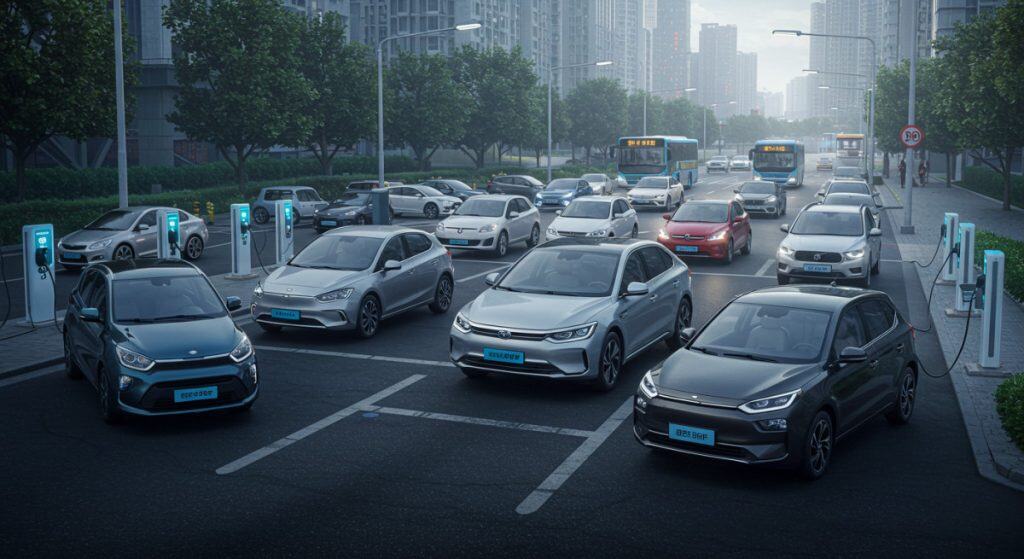
Those cheap Chinese EVs aren’t coming to the US anytime soon because of trade stuff, but they’re forcing everyone else to get serious about affordable electric cars. Competition is good for buyers, even when it’s happening on the other side of the world.
Europe’s Playing Hardball (And It’s Working)
European governments aren’t messing around. They told automakers: hit these emissions targets or pay massive fines. Then they set a 2035 deadline to ban new gas car sales entirely.
Suddenly every European car company had religion about electric vehicles. Funny how that works.
Results vary by country though. Germany’s at about 26% electric for new sales, UK around 20%, France closer to 15%. Depends on how good the charging network is and how generous the incentives are.
If you’re shopping for a car and wondering about resale value, pay attention to this stuff. European car companies are pouring money into electric because they have to. That means more options, better technology, and eventually better prices for everyone.
America: Still Figuring It Out
The US is lagging pretty hard. Only about 8% of new car sales are electric nationwide. California hits around 20%, but try finding a charging station in rural Wyoming.
Part of it’s cultural. Americans love big trucks and long road trips. Hard to tow a boat with a Nissan Leaf. But part of it’s just infrastructure. Outside of major cities, charging an electric car can be a real pain.
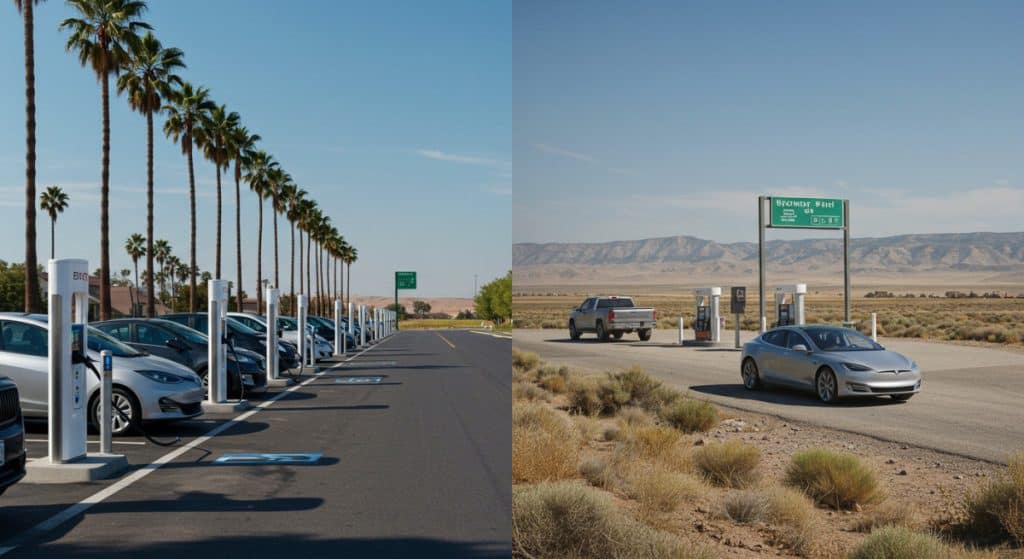
The Inflation Reduction Act is trying to change this with tax credits and charging station funding. But honestly, Tesla’s Supercharger network has done more for EV adoption than any government program. Other companies are finally starting to catch up.
What this means for buyers: if you live in a city or suburbs with decent charging, EV adoption makes sense now. If you’re rural or do a lot of long-distance driving, maybe wait a few more years.
The Rest of the World: Not There Yet
Japan’s been weirdly slow on electric cars, considering they basically invented the hybrid. Corporate culture there is super cautious, and they’re still betting big on hydrogen instead.
Most developing countries can’t afford the transition yet. Electric cars are expensive, power grids are unreliable, and charging stations barely exist. Though electric scooters and motorcycles are taking off in places like India where they make more sense.
For car buyers, this matters because it shows electric isn’t inevitable everywhere. But it also means there are huge markets that haven’t opened up yet. When they do, economies of scale will drive prices down even more.
Reality Check: Electric Cars Aren’t Magic
Let’s be honest about the problems. Charging infrastructure still sucks in a lot of places. If you live in an apartment, good luck finding a reliable place to plug in. Road trips require planning around charging stops. Cold weather kills battery range. And despite all the tax credits, many EVs are still expensive.
This is why other alternatives matter. Plug-in hybrids give you electric driving around town but gas for longer trips. Hydrogen might work for big trucks. Synthetic fuels could keep classic cars running. EV adoption isn’t the only answer, just the most obvious one right now.
What Actually Makes Countries Go Electric
Looking at the success stories, a few patterns emerge. Long-term government commitment helps. So does building charging networks everywhere, not just cities. People want options—lots of different cars at different price points.
But the biggest factor is economics. Make electric cars cheaper to buy and operate than gas cars, and people will switch. Norway figured this out. China figured this out. Other places are still working on it.
Should You Go Electric Now?
Depends on your situation. If you mostly drive around town, have a place to charge at home, and can afford the upfront cost, electric probably makes sense. The technology is solid, and you’ll save money on gas and maintenance.
If you’re rural, do a lot of towing, or can’t charge at home reliably, maybe wait. The infrastructure is coming, but it’s not there yet everywhere.
But here’s the thing: this isn’t going backwards. Every major car company is investing billions in electric. Governments are setting deadlines. Battery prices keep dropping. The question isn’t whether electric cars will take over, it’s how fast.
For your next car purchase, that timeline matters. Buy a gas car today and it’ll probably be worth less in five years than you think. Buy electric and you’re betting on the future that’s already arriving.
The momentum is real. Whether you jump on now or wait a bit longer, it’s worth understanding where this is all heading. Because ready or not, the EV adoption is already here.



That’s a great read—love how it breaks down global EV adoption in 2025, making it so easy to see who’s truly driving the electric revolution. Really inspiring and informative!
Thanks for the feedback!