Skip to content

Want to save $7,500 on your next electric vehicle? The federal EV tax credit can make that happen, but here’s what nobody tells you upfront – most of the EVs you see advertised probably don’t actually qualify.
The rules changed dramatically starting in 2024, and they got even stricter for 2025. What used to be a fairly straightforward tax credit became a maze of assembly requirements, battery sourcing rules, and price caps that knocked out more than half the EVs on the market.
Perhaps you’ve been eyeing that sleek Nissan Ariya or thinking about a Toyota bZ4X. Both are solid electric vehicles, but neither will get you a dime in federal tax credit. Meanwhile, some cars you might not have considered – like the Chevy Equinox EV – qualify for the full amount. If you’re looking for something more spacious, keep an eye out for options like an electric minivan for families, which are starting to appear in the eligibility mix and offer practicality without sacrificing efficiency.
Here’s everything you need to know about which 2025 EVs actually qualify, which ones got left out, and why the whole system works the way it does.
The New Rules (What Changed in 2024-2025)
The old EV tax credit was simple. Buy an electric car, get up to $7,500 back. But that changed when the Inflation Reduction Act kicked in with a bunch of new requirements designed to reduce dependence on Chinese battery supply chains.
Here’s what you need to qualify now:
Your EV must be assembled in North America – not just designed here, but actually built in the US, Canada, or Mexico. That one rule alone eliminated about 70% of the electric vehicles that were previously eligible.
Battery sourcing gets complicated. To get the full $7,500 credit, your car needs to pass two separate tests. First, at least 60% of the battery components must be manufactured or assembled in North America (this goes up to 70% in 2026). Second, at least 60% of the critical minerals in the battery must be extracted or processed in the US or a country we have free trade agreements with.
Price and income caps apply. Cars can’t cost more than $55,000, SUVs and trucks are capped at $80,000. Plus your household income can’t exceed $300,000 if you’re married filing jointly, $225,000 for heads of household, or $150,000 for single filers.
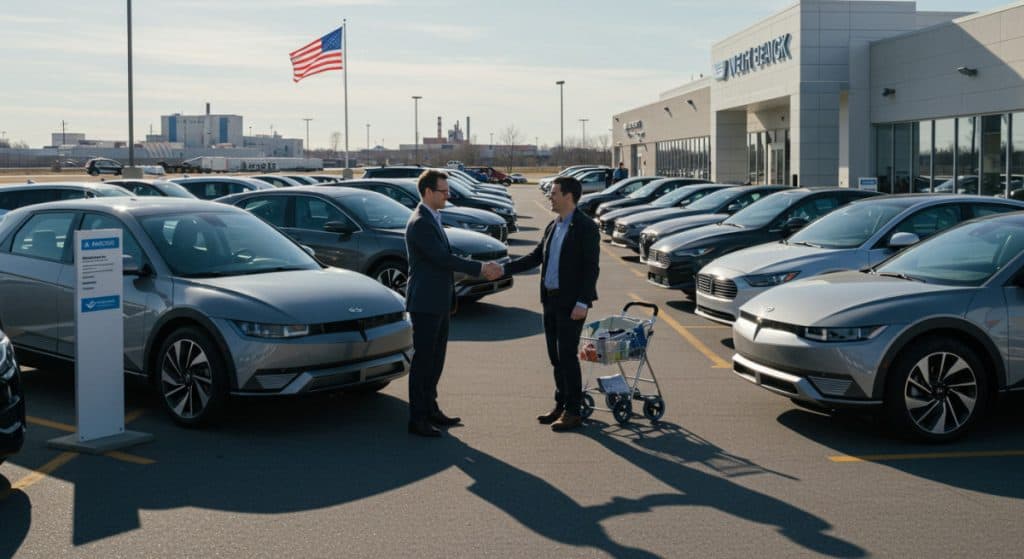
The point-of-sale transfer option means you can get the tax credit applied immediately at the dealership instead of waiting until tax time. This is actually pretty nice – you walk out with $7,500 off your purchase price rather than having to front the money and wait months for your refund.
EVs That Actually Qualify for the Full $7,500 in 2025
The good news is there are still plenty of options that qualify for the complete tax credit. The bad news is the list is shorter than it was a couple years ago.
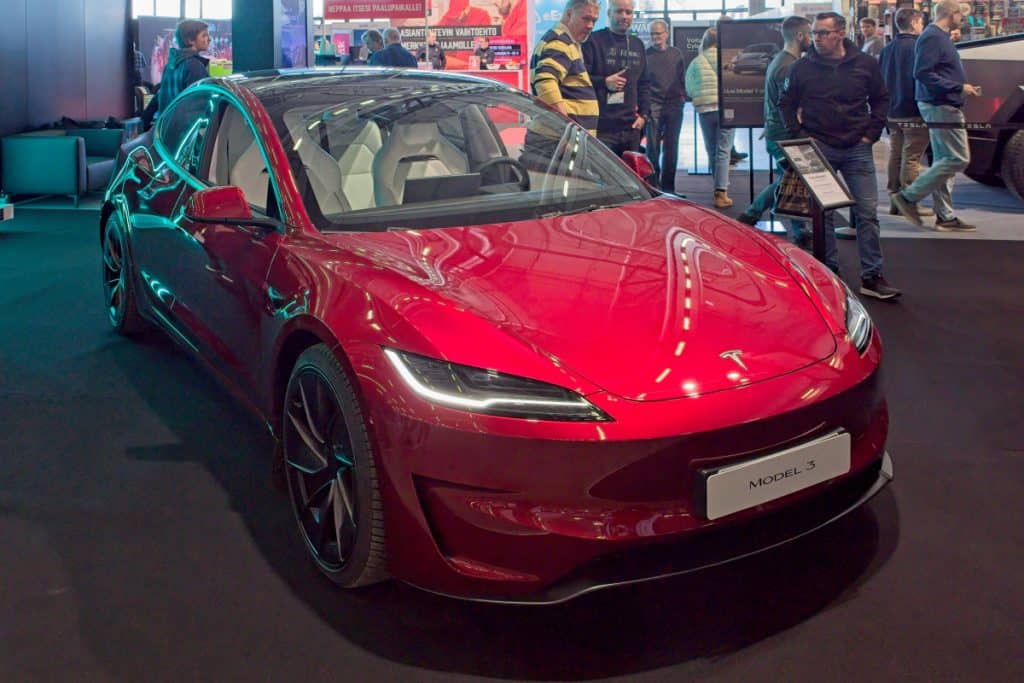
Tesla dominates the list, which probably surprises nobody. The Model 3 in all its trims (Long Range RWD, Long Range AWD, and Performance) qualifies, as does the Model Y Long Range and Performance versions. Even the Cybertruck made the cut, though good luck actually getting one delivered in 2025.
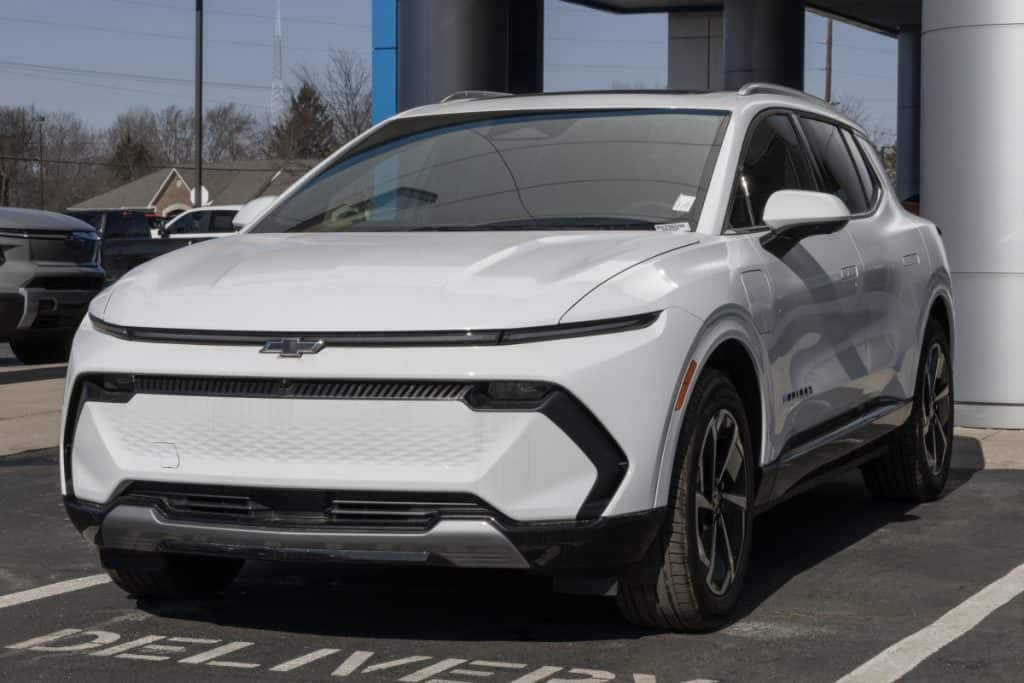
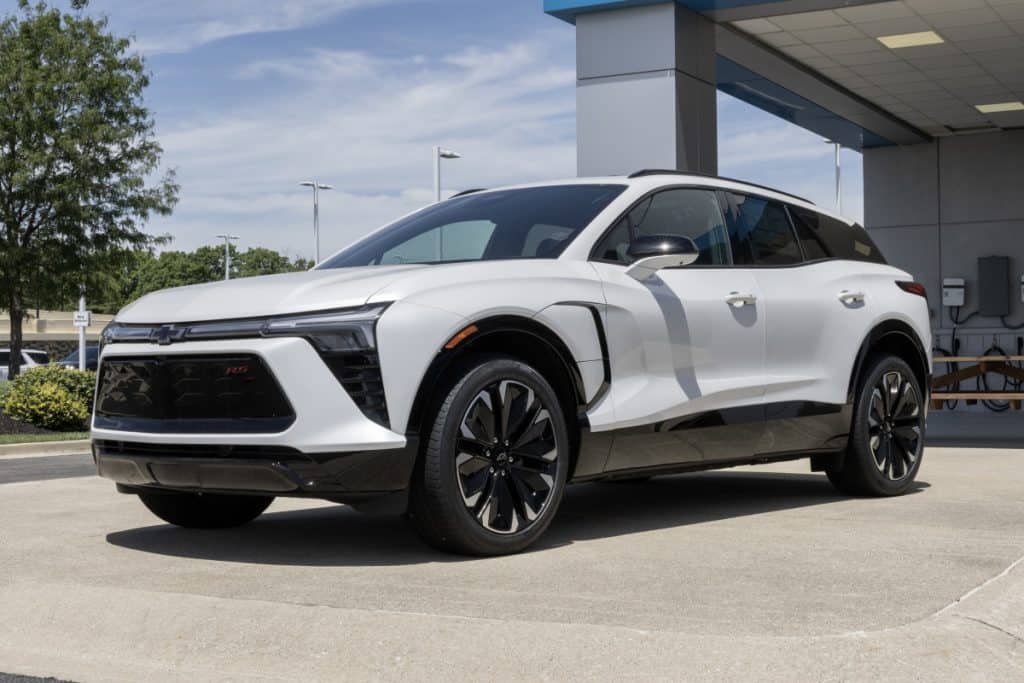
GM brought several models back into eligibility. The Chevy Blazer EV, Equinox EV, and Silverado EV all qualify. So do the Cadillac Lyriq and the new Optiq. The Acura ZDX also makes the list – it’s basically a rebadged Cadillac built in the same Tennessee factory.
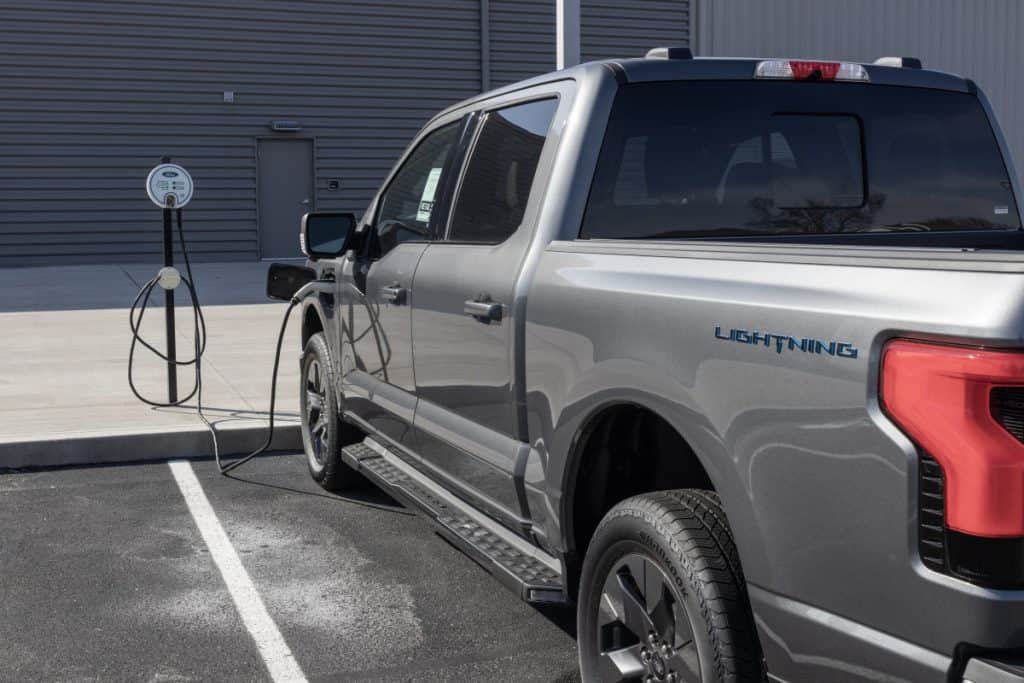
Ford keeps the F-150 Lightning eligible across most of its trim levels, though you’ll want to double-check the specific configuration you’re buying since some higher-end versions might bump against that $80,000 price cap.
Honda’s Prologue qualifies, which is interesting since it’s essentially a GM vehicle with Honda badges. That’s the power of platform sharing and North American assembly.

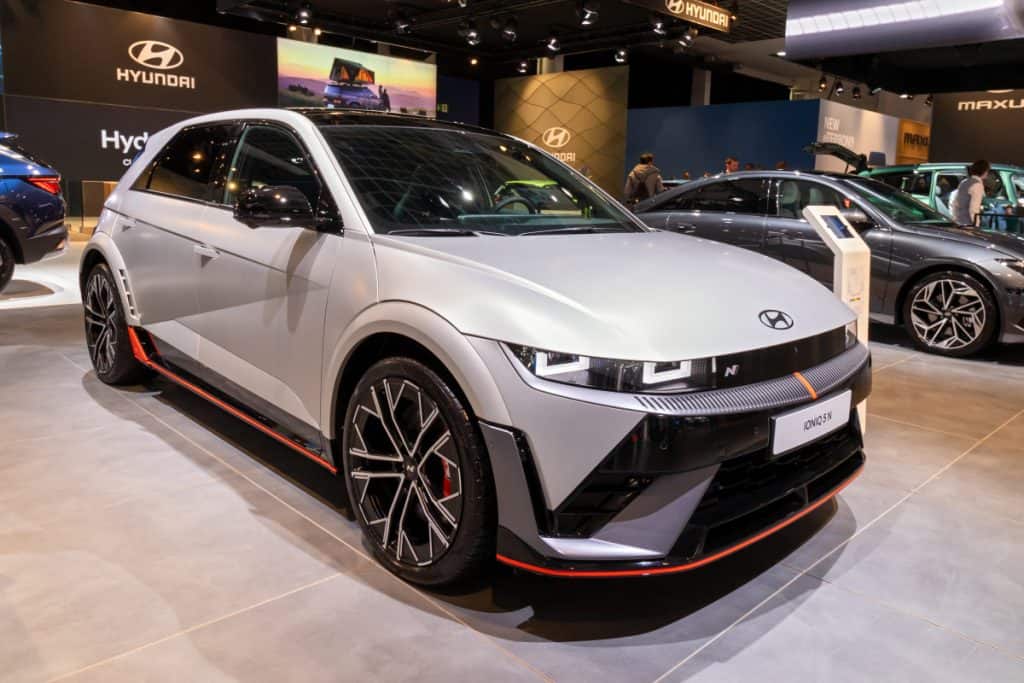
The Korean comeback story: Hyundai Ioniq 5 and Kia EV6 both qualified again for 2025 after being knocked out previously. This happened because Hyundai started building batteries at their new Georgia plant, meeting the sourcing requirements. Speaking of which, Hyundai just officially opened their massive new facility in Bryan County outside Savannah – this thing is supposedly bigger than Tybee Island and they’re already planning to expand it from 300,000 to 500,000 vehicles per year.
You can check out the grand opening coverage here: https://www.youtube.com/watch?v=hs1IiJOpHag.
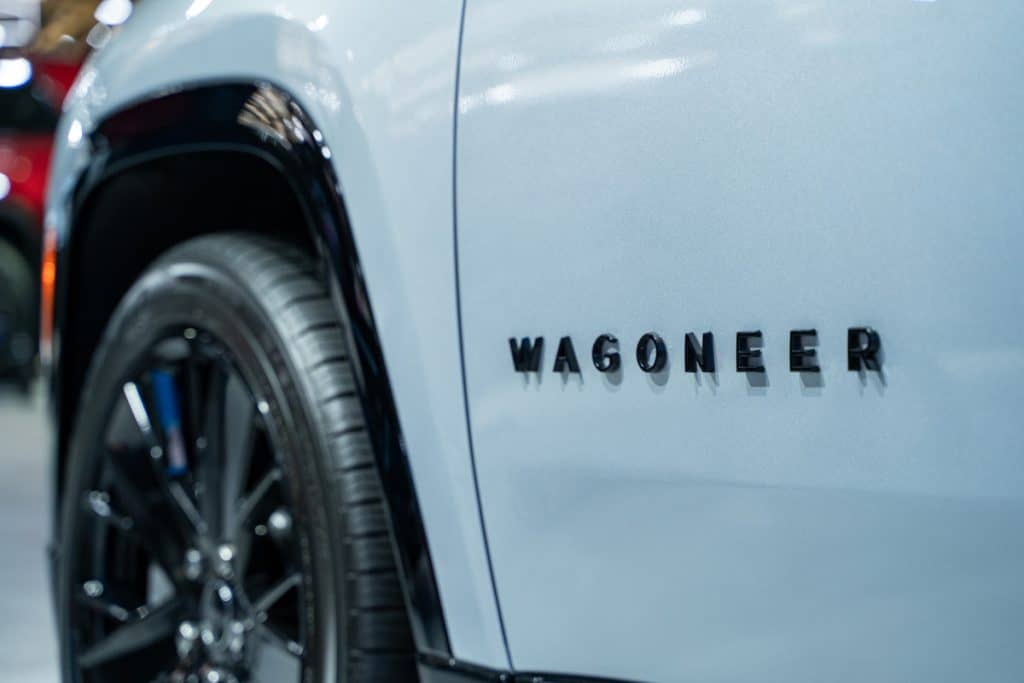
Jeep’s first EV, the Wagoneer S, also made the list. At nearly $67,000 to start, it’s not exactly budget-friendly, but it qualifies for the full tax credit if you meet the income requirements.
One thing to remember – just because a model qualifies doesn’t mean every single version does. Different trim levels might use different battery suppliers or push the price over the caps. Always verify the specific VIN you’re buying.
Popular EVs That DON’T Qualify (The Surprises)
This is where it gets painful for shoppers who had their hearts set on certain models.
Nissan Ariya doesn’t qualify because it’s assembled in Japan. Nissan has talked about moving production to the US, but that hasn’t happened yet. For now, you’re out of luck on the federal credit, though you might still get state or local incentives.
Toyota bZ4X falls into the same boat – built in Japan, no credit. Toyota has been slower than other manufacturers to shift EV production to North America, and they’re paying for it in lost sales incentives.
Volkswagen ID.4 was a popular choice when it qualified, but it’s assembled in Germany. VW is building a plant in Tennessee that should help future models, but the current ID.4 doesn’t make the cut.
European luxury EVs are mostly out. BMW i4, Mercedes EQS, Audi e-tron – all beautiful cars, all assembled outside North America. These companies are working on US production, but most won’t be ready until 2026 or later.
Rivian R1T and R1S lost eligibility for 2025 due to battery sourcing issues. This was particularly painful since these are American-designed trucks built in Illinois, but they couldn’t meet the new battery component requirements.
The pattern here is clear – it doesn’t matter how good the car is or even where the company is based. If it’s not assembled in North America with the right battery supply chain, it doesn’t qualify.
The Partial Credit Situation
Here’s something that might surprise you – there’s technically a partial credit available for cars that meet only one of the two battery requirements. In practice, though, very few 2025 EVs qualify for the partial $3,750 credit.
The Nissan Leaf manufactured in 2024 and sold after March 6, 2024, might qualify for partial credit, but the details are murky and you’d need to verify the specific vehicle.
Most manufacturers decided it wasn’t worth the engineering effort to meet just one requirement when they could focus on meeting both for the full credit. So you’ll either see cars that get the full $7,500 or nothing at all.
What’s Coming in 2026
The battery sourcing requirements get even stricter next year. The percentage of North American battery components jumps from 60% to 70%, and the critical minerals requirement goes from 60% to 70% as well.

This means some vehicles that qualify today might not qualify in 2026. Manufacturers are scrambling to secure supply chains that meet these requirements, but it’s not always possible given the current state of battery manufacturing.
There’s also political uncertainty. The current Congress is debating bills that could end the EV tax credit entirely as soon as September 2025, though that’s far from certain. The credit was originally set to run through 2032, but political winds change.
The Leasing Loophole
Here’s an interesting wrinkle – if you lease an EV instead of buying it, different rules apply. The leasing company (usually the manufacturer’s finance arm) gets the tax credit, and they can choose to pass those savings on to you in the form of lower lease payments.
This means you might be able to get a good deal on a lease for a Nissan Ariya or Toyota bZ4X even though they don’t qualify for purchase credits. The automaker eats the cost and gives you a discount to move inventory.
Not every manufacturer does this, and the deals change frequently, but it’s worth checking if you’re open to leasing instead of buying.
Buyer’s Checklist
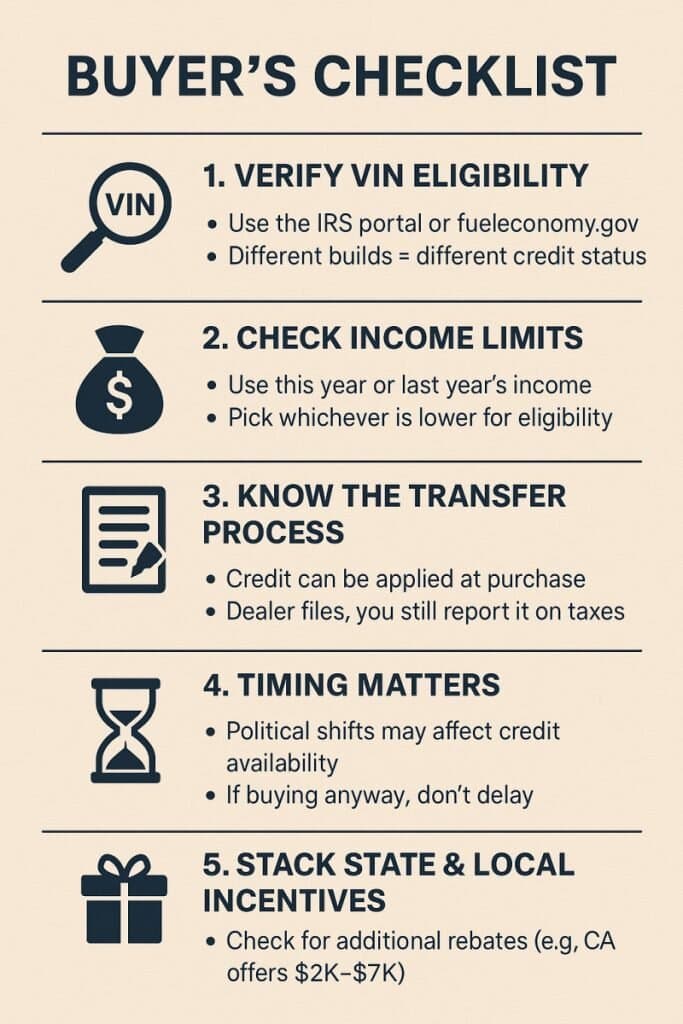
Verify the specific VIN with the dealer using the IRS portal or the EPA’s fueleconomy.gov tool. Even within the same model, different cars might have different eligibility based on when and where they were built.
Check your income against the limits. If you’re close to the threshold, remember you can use either this year’s income or last year’s income, whichever is lower.
Understand the transfer process if you want the credit applied at purchase. The dealer handles most of the paperwork, but you’ll still need to report it on your tax return.
Consider timing given the political uncertainty. If you’re planning to buy an EV anyway, sooner might be better than later given the possibility that credits could be eliminated.
Don’t forget about state and local incentives which might stack on top of the federal credit. California, for example, has its own rebate program that can add another $2,000-7,000 depending on your income and the vehicle.
The Used EV Credit
While we’re talking about credits, don’t overlook the used EV credit. You can get up to $4,000 on a qualifying used electric vehicle, which might be a better deal than a new car depending on your situation.
The income limits are lower (max $75,000 for individuals, $150,000 for couples), and the car has to cost less than $25,000. But this can make EVs accessible to people who can’t afford new ones even with the $7,500 credit.
Making Sense of It All
The EV tax credit system feels overly complicated because, well, it is. What started as a simple incentive to boost electric vehicle adoption became a tool for reshaping global supply chains and reducing dependence on certain countries.
Whether that’s good policy or not depends on your perspective, but it’s the reality we’re dealing with. The rules favor vehicles built in North America with North American supply chains, which means some excellent EVs don’t qualify while others that might not be your first choice do.
Bottom line: If you’re planning to buy an EV in 2025, the tax credit should definitely factor into your decision, but it shouldn’t be the only factor. A car that doesn’t qualify for the credit might still be a better choice for your needs, especially if you can get a good deal on it.
The manufacturers that qualify are generally offering competitive vehicles, though, so you’re not necessarily sacrificing quality for the tax benefit. Just do your homework, verify eligibility for your specific vehicle, and make sure you understand all the rules before you sign anything.
Because the last thing you want is to think you’re getting $7,500 off, only to find out later that your specific configuration doesn’t actually qualify.
Related Resources
- https://www.irs.gov/credits-deductions/credits-for-new-clean-vehicles-purchased-in-2023-or-after
- https://www.irs.gov/clean-vehicle-tax-credits
- https://www.edmunds.com/car-news/ev-tax-credit-2025-full-car-list.html
- https://www.nerdwallet.com/article/taxes/ev-tax-credit-electric-vehicle-tax-credit
- https://www.consumerreports.org/cars/hybrids-evs/electric-cars-plug-in-hybrids-that-qualify-for-tax-credits-a7820795671/
- https://www.cars.com/articles/which-electric-cars-are-still-eligible-for-the-7500-federal-tax-credit-429824/
- https://afdc.energy.gov/laws/409
- https://insideevs.com/news/746098/ev-phev-lost-tax-credit-2025/
- https://www.wesleychapeltoyota.com/ev-tips/toyota-ev-tax-credit/
- https://www.downtownnissan.com/ev-tips/does-nissan-qualify-for-an-ev-tax-credit/
- https://pluginamerica.org/learn/federal-ev-tax-credits/2024-info/used-ev-tax-credit-25e/
- https://www.recurrentauto.com/research/used-ev-tax-credits
- https://www.edmunds.com/fuel-economy/the-ins-and-outs-of-electric-vehicle-tax-credits.html
- https://www.minespider.com/blog/ev-battery-regulations-around-the-world-what-you-need-to-know
- https://www.caranddriver.com/news/a65255445/ev-tax-credit-end-date/
- https://www.npr.org/2025/06/30/nx-s1-5451701/ev-tax-credit-megabill-senate
- https://www.youtube.com/watch?v=hs1IiJOpHag